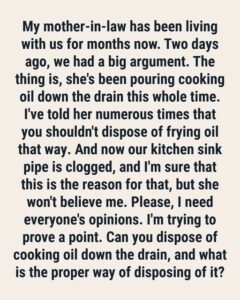
When you’re cooking at home, the aroma of fried food often fills the kitchen, signaling a delicious meal ahead. But once you’ve finished cooking and are left with that greasy skillet or fryer full of leftover oil, what should you do with it? If you’re like many home cooks, you might be tempted to pour it down the sink or into the toilet—after all, it seems like an easy way to get rid of it, right? Unfortunately, this is a mistake that could lead to costly plumbing problems.
Proper disposal of cooking oil is not just about keeping your kitchen tidy—it’s also crucial for the health of your home’s plumbing, the environment, and even wildlife. In this article, we’ll walk you through the best practices for disposing of used cooking oil, explore the significance of this task, and offer some practical insights to make it easier for you to manage this common kitchen dilemma.
The Hidden Meaning / Significance of Proper Cooking Oil Disposal
Understanding the Risks of Improper Disposal
Most people don’t give much thought to how they dispose of used cooking oil, but improperly discarding it can have serious consequences for both your plumbing and the environment. When cooking oil is poured down the drain or flushed down the toilet, it doesn’t simply vanish. Instead, it cools and solidifies in pipes, creating stubborn clogs that are expensive and difficult to fix. Even small amounts of oil, when disposed of this way repeatedly, can add up and cause major blockages.
In addition to potential plumbing problems, the environmental impact of improper oil disposal can be significant. Cooking oil is not biodegradable, meaning it can pollute water sources and harm aquatic ecosystems. Once it enters water systems, it can coat the gills of fish, suffocating them, or disrupt the natural balance of the ecosystem. Disposing of oil in an eco-friendly way not only prevents pollution but also contributes to sustainable practices that benefit the planet.
Why This Matters to You
The issue of proper cooking oil disposal is a shared responsibility. Homeowners, renters, and businesses alike must all take steps to handle waste oil appropriately. Not only is it a matter of preserving your own plumbing, but it also affects the broader community and environment. In the United States, water conservation and waste management are critical issues, and taking small actions like properly disposing of oil can contribute to larger environmental goals.
Practical Implications for People, Consumers, and Businesses
For Home Cooks: How to Safely Dispose of Oil at Home
The most straightforward way to dispose of cooking oil at home is to collect it in a container, let it cool, and then throw it away in the trash. However, you need to ensure that the oil is sealed in a leak-proof container to prevent messes. While some oils may solidify as they cool (making them easier to dispose of), others remain liquid, which can make this process tricky.
Here are a few steps for proper oil disposal at home:
-
Let the Oil Cool: Never try to dispose of hot oil. It should be allowed to cool completely before handling.
-
Use a Sealable Container: Pour the cooled oil into an old jar, milk carton, or any other container with a lid. This will ensure that the oil does not leak or spill in your trash.
-
Take It to a Disposal Site: Some municipalities have collection points for used cooking oil. These sites often recycle the oil, turning it into biodiesel or other useful products.
For Businesses: Managing Large Quantities of Used Cooking Oil
For restaurants, cafes, and other food-service businesses that generate large amounts of cooking oil, proper disposal becomes even more critical. In many areas, businesses are required by law to dispose of waste oil through commercial oil recycling programs, which ensure that the oil is repurposed for biodiesel production or other sustainable uses.
Many businesses also partner with specialized waste disposal companies that collect large amounts of used oil and handle it in compliance with environmental regulations. Failing to comply with local laws about waste oil disposal can lead to fines and damage to a business’s reputation.
Historical / Cultural Context of Cooking Oil Disposal
A Brief History of Cooking Oil
Cooking oil has been a staple in human kitchens for centuries. From ancient Egyptians using olive oil to early Americans frying foods in lard, oil has always been an essential part of food preparation. However, the way we dispose of it has evolved significantly.
In the past, people would discard cooking oil haphazardly, often pouring it onto the ground or simply tossing it into a drain. This practice has changed as our understanding of environmental protection and plumbing maintenance has grown. Today, there are eco-friendly alternatives and community programs to ensure that waste oil is managed responsibly.
The Rise of Oil Recycling
The concept of recycling used cooking oil is relatively new but has gained significant traction over the past few decades. As people become more conscious of environmental sustainability, the recycling of used cooking oil into biodiesel has become a standard practice. Biodiesel, made from used oil, is a cleaner alternative to traditional fuels and can help reduce greenhouse gas emissions. This recycling process has contributed to reducing the carbon footprint of both households and businesses.
Tips, Insights, or Takeaways for Safe Oil Disposal
1. Let Oil Solidify for Easy Disposal
One of the easiest ways to dispose of used oil is to allow it to solidify. Some oils naturally turn solid when cooled, making them easier to scoop out and throw away. If you have a small amount of oil, simply allow it to cool in the pan, then scrape it out and place it in a trash bag or container.
2. Mix with Absorbent Materials
If the oil doesn’t solidify on its own, you can mix it with absorbent materials like dry oats, sawdust, or shredded newspaper. These materials will help soak up the oil, making it easier to handle and dispose of. Just be sure to place the mixture in a container before throwing it away.
3. Use Recyclable Containers
Always use a sealed, recyclable container to store used oil before disposal. Glass jars, old milk cartons, or large plastic bottles work well. This prevents leaks and keeps your trash clean and manageable.
4. Consider Feeding It to Wildlife (Under Certain Conditions)
If you’re an animal lover, you might be surprised to learn that certain types of used cooking oil can be beneficial for wildlife—particularly birds. Mixing cooled oil with bird-safe ingredients such as flour, oats, or seeds can create a high-fat food source that some birds love. However, you should avoid oils that were used to fry fish or highly seasoned dishes, as the smell could deter animals.
5. Check Local Guidelines for Oil Recycling Programs
Many cities and municipalities offer recycling programs for used cooking oil. Some provide drop-off points where you can safely dispose of your oil, while others may even pick it up from your home or business. Always check with your local waste disposal facility for available options.
Conclusion
Disposing of cooking oil might seem like a small, inconsequential task, but it’s one that can have a significant impact on your plumbing, the environment, and local wildlife. By following the simple tips outlined above, you can ensure that your used cooking oil is disposed of safely and responsibly. Whether you’re a home cook or a business owner, it’s essential to handle oil waste with care to avoid costly plumbing repairs and contribute to a more sustainable future.
Remember, when in doubt, don’t pour it down the sink or toilet. Take the time to recycle, reuse, or dispose of it properly, and you’ll avoid unnecessary headaches in the long run.