What You Need to Know About the Mysterious “Blueberries” in Your Garden – They Aren’t What They Appear to Be

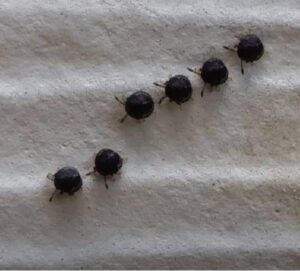
When you’re working in your garden, whether you’re tending to your tomatoes or simply pulling some weeds, it’s easy to get distracted by something unusual in your path. Imagine squatting down and spotting what seems to be a handful of perfectly ripe, plump blueberries clinging to the stems of your plants. The shiny, deep blue color is inviting, and your first instinct may be to pluck one and enjoy a fresh garden snack. But hold on—before you reach for what looks like fruit, it’s important to take a closer look. What you might be seeing is not a blueberry at all, but rather a bug, specifically the Homaemus proteus, more commonly known as the Jewel Bug or Shield Bug.

The Illusion of the “Blueberry” Bug

At first glance, these small, round, and glossy bugs may appear to be the perfect snack from your garden, but looks can be very deceiving. These “blueberries” are not fruits—they are living insects. What you’re looking at is a survival strategy in action. The Homaemus proteus, with its shiny and vibrant blue coloration, has evolved to mimic the appearance of fruit in order to camouflage itself from predators. The bugs’ appearance is designed to mislead both humans and animals, making them look harmless and edible, when in fact, they’re far from it.

Why You Should Avoid Touching or Eating Them

You might wonder, “What’s the harm in touching or even accidentally tasting one?” The truth is, there are several reasons why you should stay away from these deceptive bugs. For starters, if you were to bite into one, you’d be greeted with a bitterness that would quickly remind you that nature has its own warning system. These bugs do not taste sweet like a blueberry; instead, they’re unpleasantly bitter. This bitterness is a natural defense mechanism—an indication that they are not a safe snack.

The real danger, however, lies in the toxicity of these creatures. The blue coloration of these bugs serves as a warning signal. Bright colors in the animal kingdom are often associated with toxins or harmful compounds, and the Homaemus proteus is no exception. While not all species of insects are toxic, the jewel bug produces defensive chemicals to discourage predators from eating them. This means that not only should you avoid eating them, but you should also be cautious about handling them directly, as their toxins could cause irritation or discomfort.

The Role of Jewel Bugs in the Garden Ecosystem

Before you decide to remove these bugs from your garden, it’s important to understand their role in the local ecosystem. Despite their strange appearance, Homaemus proteus, or the Jewel Bug, is not an enemy of your plants. In fact, these bugs aren’t causing significant damage to your garden. They are not voracious feeders like aphids or caterpillars. Jewel bugs mostly feed on plant sap, but their consumption doesn’t usually have a major impact on plant health.

In fact, these bugs can even be beneficial in their own way. They are a food source for birds and other insect-eating creatures, and their presence is part of the natural food chain that helps maintain balance in your garden. So while it might feel odd to have them around, these bugs contribute to the overall biodiversity of your garden by providing nourishment to other wildlife.

That said, you should still be cautious about handling them directly, especially if you’re concerned about potential irritation. However, as long as you don’t touch them or try to eat them, they don’t pose a significant threat to your garden’s health. In fact, they are simply going about their business, adding a touch of color and intrigue to the landscape.

When Blue Doesn’t Equal Berry

One key takeaway here is to always question the appearance of something that seems too good to be true. Not every shiny blue object in your garden is a delicious berry waiting to be picked. Blueberries, for instance, grow on specific types of bushes, not randomly throughout your garden. If you spot something unusual that looks like a blueberry but isn’t located on a blueberry bush, it’s a good idea to investigate further before you get too close.

Jewel bugs like Homaemus proteus remind us that nature is full of tricks and surprises. In their case, their survival relies on their ability to blend in and deceive both predators and curious humans. The bugs’ blue coloration and glossy appearance act as a form of camouflage, making them appear to be harmless fruit when they are, in fact, insects trying to stay out of sight.

So the next time you’re strolling through your garden and notice those tempting little blue “berries,” take a step back and remember—they’re not fruit; they’re bugs! Leave them be, admire their unique beauty from a distance, and move on to the real fruit or vegetables that are ready to be harvested.

Enjoying Your Garden Without the Risk

The best way to ensure you’re not encountering any unwanted surprises in your garden is to stay vigilant and aware of the plants and insects around you. Always check your plants for strange-looking growths or objects that don’t quite belong. While the Jewel Bug may seem odd and out of place, it’s part of nature’s quirky charm. By maintaining an informed and cautious approach, you can enjoy your garden while avoiding any potential mishaps.

If you’re curious about the creatures that inhabit your garden, take some time to learn about the various insects and wildlife that share your space. By doing so, you’ll not only gain a deeper appreciation for the natural world but also make smarter decisions when it comes to handling certain plants or creatures. Knowing what’s safe to touch, eat, or interact with in your garden can save you from unpleasant surprises and ensure that your garden remains healthy and enjoyable.
Understanding the Ecology Behind the Jewel Bug

While it’s easy to feel unsettled by the sight of something so unexpected in your garden, there is an intriguing ecological aspect to the presence of Jewel Bugs. These insects are part of a larger web of life that is designed to maintain balance within natural ecosystems. Jewel Bugs play a role in keeping certain plant species in check by feeding on them, although they don’t cause widespread damage like other pests such as aphids or caterpillars.

Additionally, these bugs serve as prey for a variety of predators, including birds, reptiles, and even other insects. In this way, they are crucial to the overall food web. Their bright colors act as both a warning mechanism and a deterrent to other potential predators that might mistake them for edible prey. This clever defense mechanism ensures the Jewel Bugs survive by discouraging predators who could otherwise make a meal out of them.

Interestingly, the evolution of such camouflage techniques among insects is not unique to the Jewel Bug. Many species across the animal kingdom, from insects to amphibians, have developed various forms of mimicry to either attract mates, avoid predators, or hunt prey more effectively. The Jewel Bug’s shiny blue exterior is an example of aposematism, a biological strategy where an organism exhibits warning signals, often bright colors, to advertise its unpalatability or toxicity.

How to Safely Coexist with Jewel Bugs in Your Garden

The fact that Jewel Bugs are harmless to your plants might be reassuring, but they are still quite an odd sight. To maintain a healthy and thriving garden, it’s important to develop an understanding of which insects are beneficial and which ones might cause problems. For instance, Jewel Bugs, despite their striking appearance, aren’t a threat to your garden’s health. However, other pests like aphids or certain beetles could be.

Here are a few steps to safely coexist with Jewel Bugs in your garden:

  1. Observe and Identify: Before reacting to any insect in your garden, take a moment to observe and identify it. Not all insects are harmful, and many play vital roles in maintaining a balanced garden ecosystem. Jewel Bugs, while initially unsettling, are relatively harmless and can be left undisturbed.

  2. Avoid Direct Contact: While the Jewel Bug doesn’t pose a major risk to your health, it’s best to avoid direct contact with it, especially if you’re concerned about potential irritation from its toxins. Handling the bug with gloves or simply using a tool like a small stick to move it can help avoid unnecessary contact.

  3. Support Natural Predators: Many birds and other insects feed on Jewel Bugs. If you want to naturally control their population, encourage the presence of these predators in your garden. Birds, especially insectivores, can be beneficial in keeping the population of pests in check. Consider installing birdhouses or planting native trees that attract these natural predators.

  4. Regular Monitoring: Even if Jewel Bugs aren’t a major threat, it’s still important to keep an eye on your garden. Some insects, even if not harmful now, could become an issue over time if their population grows unchecked. Regularly inspecting your plants can help catch any potential problems early, allowing you to take action before they escalate.

The Fascination of Nature’s Deceptions

Nature’s ability to deceive and adapt is fascinating, and the Jewel Bug is just one example of how survival often hinges on cleverness and creativity. These insects have developed a remarkable strategy to avoid being eaten by predators. Their appearance, while similar to blueberries, ensures they go unnoticed or avoided by animals, allowing them to thrive and reproduce in peace.

The more we learn about the behavior and adaptations of the creatures that inhabit our gardens, the more we come to appreciate the complex interplay of life that surrounds us. While Jewel Bugs may be an odd and slightly unnerving sight, they are a testament to the intricate designs of evolution.

By taking a step back and considering the role each insect plays in our garden ecosystems, we can come to a deeper understanding of the balance of nature. Insects like the Jewel Bug are often overlooked or misunderstood, yet they have their place in the natural world. Instead of seeing them as pests, we can view them as part of a larger system that maintains health, sustainability, and beauty in our gardens.

Conclusion: Embracing Nature’s Wonders with Caution

While Jewel Bugs may not be the snack they seem, their presence in your garden offers an opportunity to learn about nature’s many wonders. Their ability to mimic fruit is a reminder that not everything is as it appears, and sometimes the most striking features of nature have a deeper purpose.

Next time you encounter a shiny, blue object in your garden, take a moment to appreciate the fascinating survival strategies that the natural world has to offer. Remember, Jewel Bugs may look tempting, but they are part of a greater ecosystem that keeps the balance in your garden. With a little curiosity and care, you can enjoy the beauty of your garden without falling prey to nature’s tricks. Keep your distance, observe with wonder, and let these colorful creatures carry on with their work as part of the larger cycle of life around you.

Related Posts

Remembering a True Legend Who Touched Generations

Alan Osmond, widely recognized as a founding force behind The Osmonds, holds a unique place in the history of American entertainment. Born on June 22, 1949, in Ogden,…

Proposed U.S. Draft Registration Overhaul Could Affect Millions of Young Men

Automatic Draft Registration: What’s Changing—and What It Really Means A quiet but significant shift is underway in how the United States handles draft registration. It’s not about…

Donald Trump’s Surprise Remark About Karoline Leavitt Sparks Widespread Attention

In the high-stakes arena of modern political communication, where every syllable is dissected and every pause is scrutinized for hidden meaning, Donald Trump managed to turn a…

Found this in my fried chicken. It was in the breαst.

I was just about to take the first bite when I saw it. Everything in me froze. One second, it was just dinner—the next, it felt like…

What the ‘E’ on Some Car Gear Sticks Really Means: Unveiling the Mystery for Modern Drivers

For decades, when it came to driving, the gear stick of a car was a familiar sight. Whether you were shifting gears in a manual transmission vehicle…

The Enigmatic Object That Was Once Essential for Every Household: The Surprising History Behind This Forgotten Tool

Introduction: The Mystery Behind a Forgotten Tool Imagine scrolling through your social media feed when you stumble upon a strange, old contraption. It looks like something out…

Leave a Reply

Your email address will not be published. Required fields are marked *