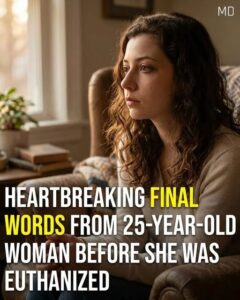
A deeply emotional case in Spain has brought renewed attention to the complex and sensitive topic of assisted dying. A 25-year-old woman from Barcelona, Noelia Castillo Ramos, chose to undergo euthanasia after years of living with severe physical and emotional challenges. Her story has sparked widespread discussion, not only within her family but also among people following the case across the world. While some view her decision as an act of personal autonomy, others see it as a difficult and painful outcome that raises important ethical questions.
Noelia’s life changed dramatically following a traumatic incident that left her with permanent injuries. After surviving a fall, she was left paraplegic and faced ongoing health complications that affected her daily life. Over time, she spoke openly about the physical discomfort and emotional strain she experienced. Despite receiving care and support from her loved ones, she expressed a consistent wish to end her suffering, explaining that her decision had been carefully considered over a long period. Her words reflected a desire for peace after enduring years of hardship.
Her decision led to a legal process that reached some of the highest courts. Under Spain’s laws, which allow assisted dying in specific circumstances, her case was reviewed to ensure that her choice was informed and voluntary. Although her father challenged the decision, hoping to prevent the procedure, the courts ultimately ruled that her request met the legal requirements. This outcome highlighted the legal framework surrounding such cases, where individual rights, medical evaluations, and judicial oversight all play a role.
The situation also revealed the emotional impact on her family. While her mother chose to remain by her side despite personal disagreement, her father continued to oppose the decision. In her final days, Noelia spent time with her loved ones, focusing on being surrounded by family. Her story has since become part of a broader conversation about end-of-life choices, personal dignity, and the balance between compassion and protection. As discussions continue, her case remains a reminder of how complex and deeply personal these decisions can be for everyone involved.