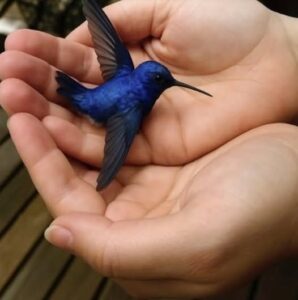
The instant a hummingbird flutters into your space, the ordinary transforms into something magical. Its rapid, jewel-toned wings and delicate movements create a moment that seems suspended in time. For many, these encounters are far from coincidental; they carry meanings that go beyond a simple wildlife visit.
Hummingbirds are tiny yet remarkable creatures. Their hovering abilities, vibrant colors, and seemingly effortless flight have fascinated humans for centuries. When one chooses to appear at your home, it can feel like a message—a small, feathered messenger interrupting your day to remind you of life’s hidden wonders.
The Symbolism of Hummingbirds Across Cultures
Across the globe, hummingbirds have been seen as symbols of joy, love, and resilience. In Native American traditions, they are often considered healers and carriers of good luck. Some tribes believed that hummingbirds brought positive energy into homes and hearts, encouraging hope and renewal.
In South American cultures, particularly among the ancient Aztecs, hummingbirds were associated with warriors and strength. Despite their size, they demonstrated incredible persistence and courage—qualities that inspired respect and admiration. The Aztecs even believed that fallen warriors could be reincarnated as hummingbirds, carrying their valor into new forms.
Similarly, in other parts of the world, hummingbirds are seen as messengers of peace and love. The bright flash of their iridescent feathers is often interpreted as a signal to pay attention, pause, and appreciate the present moment.
Hummingbirds as Messengers of Renewal
Many people notice hummingbirds during times of personal change. After periods of grief, stress, or emotional heaviness, the sudden appearance of these birds can feel like an omen of better days ahead. Their agility and energy symbolize resilience—the ability to keep moving forward even when life feels overwhelming.
Some interpret a hummingbird’s visit as encouragement to let go of worries and embrace small joys. Their presence reminds us that life contains fleeting yet beautiful moments, and paying attention to them can restore a sense of balance and optimism.
Mourning, Memory, and Emotional Comfort
For those who are grieving, hummingbirds often carry an even deeper significance. Many describe encounters with these tiny birds as messages from loved ones who have passed away, as if the bird embodies a spirit returning in another form.
It is common for people to feel a wave of comfort when a hummingbird appears at their window or garden. Its presence can evoke memories of someone dear, gently reminding the observer that love endures beyond physical absence. In this way, the hummingbird becomes a bridge between worlds—living and unseen, past and present.
A Lesson in Resilience
Hummingbirds travel incredible distances relative to their size. Some migrate thousands of miles, facing storms, predators, and exhaustion along the way. In the tiny hummingbird, we see a profound lesson: strength often comes in small packages, and persistence can overcome seemingly impossible obstacles.
Watching a hummingbird hover outside your home can inspire personal reflection. Its determination, elegance, and grace become a metaphor for your own challenges. How can you carry yourself with such resilience, even in the face of hardship? How can you find joy in moments that feel fleeting?
How to Recognize a Hummingbird’s Visit
While every encounter is unique, there are subtle signs that a hummingbird may be trying to communicate something special:
-
Hovering at your window or near your porch: This often signifies curiosity or a gentle invitation to notice the present moment.
-
Repeated visits over several days: Consistent appearances may symbolize guidance, encouragement, or reassurance during a transitional period.
-
Bright iridescent flashes catching your eye: The brilliance of the bird can represent clarity, insight, or sudden inspiration.
Observing Without Interference
Hummingbirds are sensitive creatures. Their visits are most meaningful when observed respectfully. Avoid chasing, tapping on glass, or attempting to touch them. Instead, allow their presence to inspire quiet reflection. Even a few minutes of mindful observation can create a profound emotional experience.
Enhancing Your Garden for Hummingbird Visits
Many people find that creating a hummingbird-friendly environment encourages more frequent visits, allowing them to connect with these enchanting creatures regularly. Here are some tips:
-
Plant native flowers: Hummingbirds are drawn to tubular, brightly colored flowers, particularly reds and purples. Plants like trumpet vine, bee balm, and cardinal flower are ideal.
-
Provide a water source: A shallow birdbath or fountain can attract hummingbirds, especially when sunlight reflects on the water’s surface.
-
Use feeders thoughtfully: Nectar feeders filled with a mixture of four parts water to one part sugar can supplement natural food sources. Avoid red dye, as it is unnecessary.
-
Create perches and shaded spots: Small branches, trellises, or garden stakes give hummingbirds places to rest and survey their territory.
By cultivating a hummingbird-friendly environment, you not only increase the chance of encounters but also support the local ecosystem. These birds play an important role in pollination and contribute to garden vitality.
Mindfulness Through Hummingbirds
Beyond symbolic meaning, watching a hummingbird can be a form of mindfulness practice. Their rapid movements force observers to slow down and notice subtle details: the delicate iridescence of feathers, the gentle beat of wings, and the way sunlight glances off their tiny bodies.
By paying attention to these details, you anchor yourself in the present moment. Daily stress and preoccupations fade temporarily, replaced by awe and appreciation. This is why many people describe seeing hummingbirds as a spiritually uplifting or even meditative experience.
Hummingbirds and Joy
Hummingbirds naturally exude a sense of energy and vitality. Their lively flights and sudden bursts of color can spark joy in observers, reminding them of the small pleasures in life that are often overlooked.
Even brief encounters can encourage laughter, curiosity, or a sense of playfulness. Children are often fascinated by these birds, captivated by their speed and brilliance. Adults, too, can find themselves smiling unexpectedly, reminded that beauty and happiness can appear in tiny, fleeting forms.
Scientific Perspective
From a biological standpoint, hummingbirds are extraordinary creatures. They are the only birds capable of true hovering, thanks to rapid wing beats that can reach up to 80 beats per second. Their metabolism is among the fastest in the animal kingdom, and they have specialized adaptations for long-distance migration.
While science explains how hummingbirds survive and thrive, it does not diminish the symbolic impact they have on people. In fact, understanding their abilities often deepens appreciation, highlighting the extraordinary nature of seemingly ordinary encounters.
Incorporating the Hummingbird Message into Daily Life
Many people choose to take the symbolism of a hummingbird visit to heart, using it as a source of inspiration. Here are some practical ways to honor the experience:
-
Pause for reflection: When a hummingbird appears, take a moment to stop your daily tasks and observe.
-
Practice gratitude: Recognize the small joys and blessings in your environment.
-
Seek renewal: Consider personal projects or self-care routines that align with the sense of hope and renewal brought by the visit.
-
Journal the experience: Recording your thoughts, feelings, and observations can enhance awareness of patterns, synchronicities, or personal growth.
Personal Stories and Testimonials
Countless stories from around the world reflect the profound impact of hummingbird encounters. Some people see them during moments of crisis, providing a sense of comfort. Others notice them during times of celebration, reinforcing feelings of gratitude and happiness.
One observer wrote, “After my father passed away, I saw a hummingbird at my window each morning for a week. It felt like he was reminding me to keep going, to find joy in life again.”
Another shared, “During a stressful time at work, a hummingbird appeared in my garden. Watching it hover reminded me that I could face challenges gracefully, even if life felt chaotic.”
These stories illustrate the universal appeal of hummingbirds as messengers of resilience, love, and present-moment awareness.
Conclusion
The visit of a hummingbird is never merely a coincidence. Whether viewed as a spiritual messenger, a symbol of hope, or a catalyst for mindfulness, the experience is deeply meaningful. Its presence invites us to slow down, notice beauty, and embrace life with renewed perspective.
Hummingbirds remind us that even in times of stress or sorrow, there is still wonder, joy, and the possibility of transformation. They teach that strength and resilience often come in small, unexpected forms and that the present moment can hold profound significance.
Next time a hummingbird graces your home, take a moment to pause. Observe, reflect, and welcome the message it brings. Whether it signifies renewal, comfort, or joy, its impact is sure to leave an impression that lasts far longer than the fleeting flutter of wings.