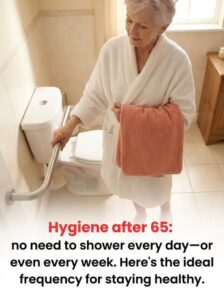
As people move into their later years, life naturally begins to shift in subtle but meaningful ways. Retirement, lifestyle changes, and new priorities often take center stage. But some of the most important transformations happen quietly—especially in daily routines like personal hygiene. One of the most common yet rarely discussed changes is how showering habits evolve after the age of 65.
For decades, many adults follow a consistent routine: a daily shower to feel refreshed, clean, and ready to face the day. It becomes second nature—part of identity, discipline, and self-care. However, as the body ages, this once-invigorating ritual can start to feel less beneficial and sometimes even uncomfortable.
Understanding why these changes happen isn’t about lowering hygiene standards—it’s about adapting to the body’s natural evolution. In fact, adjusting shower habits after 65 can significantly improve skin health, energy levels, and overall well-being.
The Science Behind Changing Shower Habits After 65
The biggest reason shower routines shift with age lies in the body’s largest organ: the skin.
As we grow older, the skin undergoes several biological changes:
- Reduced collagen production
- Slower cell turnover
- Decreased oil (sebum) production
- Thinner, more fragile texture
In younger years, the skin produces enough natural oils to stay hydrated and resilient. These oils act as a protective barrier against dryness and irritation. But after 65, this system slows down dramatically.
Daily hot showers—especially long ones—can strip away these essential oils faster than the body can replace them. This leads to dryness, itching, and increased sensitivity.
Why Daily Showers Can Become Harmful
While showering every day might feel like the gold standard of cleanliness, it can actually be counterproductive for older adults.
Frequent washing with hot water and harsh soaps can cause:
- Chronic dry skin
- Flaking and irritation
- Micro-cracks in the skin barrier
- Increased risk of infections
Because aging skin heals more slowly, even minor irritation can escalate into more serious dermatological issues.
This is why many health experts recommend a shift in routine: instead of daily full-body showers, opt for fewer, more intentional washes.
The “Less Is More” Approach to Hygiene
For adults over 65, a more effective hygiene routine often includes:
- Full showers 2–3 times per week
- Daily targeted cleaning of key areas
- Gentle skincare products
- Consistent moisturizing
This approach helps preserve the skin’s natural barrier while still maintaining excellent hygiene.
The Hidden Physical Challenges of Showering
Beyond skin health, showering itself can become physically demanding with age.
Bathrooms are one of the most accident-prone areas in any home. Slippery floors, hard surfaces, and confined spaces increase the risk of falls.
Common challenges include:
- Reduced balance and stability
- Joint stiffness and limited flexibility
- Fatigue from standing too long
- Difficulty bending or reaching
Even simple tasks like stepping into a tub or drying off can require more effort than expected.
For many older adults, spacing out showers is not about avoiding hygiene—it’s about conserving energy and reducing risk.
Energy Conservation and Daily Comfort
As the body ages, energy becomes a valuable resource. Activities that once felt effortless can now feel draining.
Choosing not to shower every day allows individuals to:
- Preserve energy for meaningful activities
- Reduce physical strain
- Avoid unnecessary fatigue
Instead of exhausting themselves with a full shower, many prefer to spend that energy on:
- Socializing with family
- Enjoying hobbies
- Staying active outdoors
Alternative Hygiene Methods That Work
Skipping a full shower doesn’t mean skipping cleanliness. In fact, many alternative methods are just as effective.
1. Sink Baths
A warm washcloth can be used to clean essential areas:
- Face
- Underarms
- Hands
- Feet
This method is quick, gentle, and energy-efficient.
2. Spot Cleaning
Focusing on high-sweat areas keeps the body fresh without over-drying the skin.
3. No-Rinse Cleansers
These products are designed for sensitive skin and don’t require water, making them ideal for quick hygiene routines.
Emotional and Psychological Factors
There’s also a mental and emotional side to changing hygiene habits.
In many cultures, daily showering is associated with:
- Discipline
- Cleanliness
- Social readiness
So when routines change, some older adults may feel:
- Guilty
- Embarrassed
- Concerned about judgment
But it’s important to understand: hygiene is not about frequency—it’s about effectiveness.
Adjusting routines is not a step backward. It’s a sign of listening to the body and adapting wisely.
How to Make Showers Safer After 65
For those who still enjoy regular showers, a few adjustments can make a big difference.
1. Lower the Water Temperature
Hot water strips natural oils quickly. Switching to lukewarm water helps protect the skin.
2. Install Safety Features
- Grab bars
- Non-slip mats
- Shower chairs
These additions reduce fall risk and increase confidence.
3. Keep Showers Short
Limiting showers to 5–10 minutes prevents excessive dryness.
Choosing the Right Skincare Products
Not all soaps and body washes are suitable for aging skin.
Avoid:
- Harsh bar soaps
- Strong fragrances
- High-alcohol products
Instead, look for:
- pH-balanced cleansers
- Soap-free formulas
- Cream-based body washes
These options are gentler and help maintain the skin’s natural barrier.
The Importance of Moisturizing
One of the most important steps in any hygiene routine after 65 is moisturizing.
Dermatologists often recommend the “three-minute rule”:
Apply moisturizer within three minutes of stepping out of the shower.
This helps:
- Lock in moisture
- Prevent dryness
- Strengthen the skin barrier
Fragrance-free creams and ointments work best for sensitive skin.
Understanding “Winter Itch” and Dry Skin
Many older adults experience what’s commonly known as “winter itch.”
Symptoms include:
- Tight, dry skin
- Flaking
- Persistent itching
This condition is worsened by:
- Cold weather
- Indoor heating
- Frequent hot showers
Adjusting shower habits and using proper moisturizers can significantly reduce these symptoms.
Redefining Cleanliness in Later Life
Cleanliness doesn’t have a one-size-fits-all definition.
For older adults, it’s about:
- Comfort
- Skin health
- Safety
- Energy balance
A personalized hygiene routine is far more effective than blindly following habits formed decades earlier.
Social Perception vs. Reality
There’s often pressure to maintain routines that society labels as “normal.”
But the truth is:
- Daily showers are not medically necessary for everyone
- Over-washing can do more harm than good
- Hygiene should adapt to individual needs
Breaking free from outdated expectations allows for healthier choices.
When Daily Showers Still Make Sense
Some individuals may still prefer or need daily showers, especially if they:
- Live in hot climates
- Exercise frequently
- Have specific medical conditions
In these cases, adjustments like shorter showers and gentle products are key.
Practical Tips for a Balanced Routine
Here’s a simple, effective hygiene plan for adults over 65:
- Shower 2–3 times per week
- Use lukewarm water
- Choose gentle cleansers
- Moisturize immediately after bathing
- Use washcloth cleaning on non-shower days
- Install bathroom safety features
Listening to Your Body
The most important takeaway is this: your body knows what it needs.
If daily showers feel uncomfortable, drying, or exhausting—it’s okay to change.
Adapting routines is not about losing independence. It’s about maintaining it in a smarter, healthier way.
A Shift Toward Gentle Self-Care
Aging invites a more mindful approach to self-care.
Instead of rigid routines, the focus becomes:
- Comfort over habit
- Health over appearance
- Efficiency over excess
This shift leads to a more sustainable and enjoyable lifestyle.
Final Thoughts
Showering habits often change after 65—not because of neglect, but because of wisdom.
The body evolves, and routines should evolve with it.
By embracing gentler hygiene practices, older adults can:
- Protect their skin
- Reduce physical strain
- Improve overall comfort
Ultimately, the goal isn’t to follow old rules—it’s to feel clean, confident, and healthy in your own skin.
Adapting your routine isn’t giving up—it’s moving forward with awareness, care, and respect for your body’s changing needs.