Introduction: Why This Overlooked Artifact Matters Today
In an era defined by rapid technological innovation and modern veterinary care, it’s easy to forget how far animal health practices have come. Yet, hidden in attics, barns, and antique collections across the United States are tools that once played a critical role in everyday life—objects that tell powerful stories about agriculture, animal welfare, and early veterinary science.
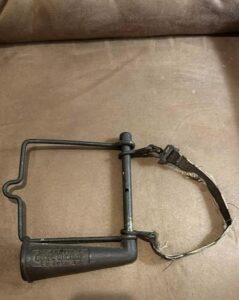
One such object is the antique horse drencher—a brass instrument that may look unusual to modern eyes but once served as an essential tool for treating horses. At first glance, it might appear to be a decorative relic or a curious piece of farm equipment. But you might not realize that this device represents a pivotal chapter in the evolution of equine healthcare, rural economies, and veterinary innovation.
For American readers—especially those interested in history, farming, antiques, and animal care—understanding the purpose and legacy of such tools offers valuable insight into how previous generations approached challenges with limited resources but remarkable ingenuity.
This article explores the history, significance, and practical lessons behind this “brass beauty,” while connecting it to broader themes in modern veterinary medicine, agricultural heritage, and collectible antiques.
The Hidden Meaning / Significance
More Than a Tool: A Symbol of Innovation
The antique horse drencher was not merely a piece of equipment—it was a solution to a pressing problem. Horses were once central to American life, powering farms, transportation, and industry. Maintaining their health was not optional; it was essential for economic survival.
The drencher allowed caretakers to administer liquid remedies to horses suffering from conditions like Equine Colic, a potentially life-threatening issue involving abdominal pain and digestive distress.
At a time when veterinary options were limited, tools like this represented:
- Practical innovation
- Resourcefulness in rural communities
- A commitment to animal welfare
The Role of Craftsmanship in Functional Design
One of the most striking aspects of the drencher is its construction. Typically made from brass and paired with leather components, the device reflects a high level of craftsmanship.
This wasn’t accidental.
Brass was chosen because it is:
- Durable and resistant to corrosion
- Easy to clean
- Safe for repeated use
The addition of a funnel and hollow bit allowed liquids to flow directly into the horse’s mouth, demonstrating a thoughtful design tailored to both function and efficiency.
In today’s terms, this would be considered user-centered design—a concept widely applied in modern engineering and product development.
A Window Into Daily Life in Rural America
Artifacts like the horse drencher offer a glimpse into a time when:
- Farms relied heavily on animal labor
- Veterinary care was often performed on-site
- Families and communities shared knowledge and resources
For many Americans, especially in agricultural regions, these tools were part of everyday life. They were not rare or unusual—they were essential.
Practical Implications for People / Consumers / Collectors
What Antique Collectors Should Know
Today, antique horse drenchers are considered collectible items, particularly among those interested in:
- Agricultural history
- Veterinary tools
- Equestrian memorabilia
When evaluating such an item, collectors often consider:
- Material quality (brass vs. other metals)
- Condition of leather components
- Presence of original parts (funnel, straps, rope)
- Historical authenticity
Platforms like WorthPoint and other appraisal services frequently list these items, reflecting a niche but active market.
Lessons for Modern Veterinary Practices
While the drencher itself is no longer used, it highlights important principles still relevant today:
1. Adaptation to Available Resources
Early veterinarians worked with limited tools, yet developed effective solutions.
2. Continuous Improvement
As new techniques emerged, older methods were replaced. This mirrors today’s emphasis on evidence-based medicine.
3. Focus on Animal Welfare
Even with rudimentary tools, the goal was always to improve the animal’s condition.
Consumer Awareness: Then vs. Now
Modern horse owners benefit from advanced veterinary care, including:
- Diagnostic imaging
- Specialized medications
- Safer administration techniques
Understanding historical methods helps highlight the progress made in animal health and safety standards.
Historical / Cultural Context
The Importance of Horses in American History
Before the widespread adoption of automobiles and machinery, horses were integral to:
- Farming operations
- Transportation systems
- Military efforts
Their health directly impacted productivity and economic stability.
Conditions like Equine Colic were common and often serious, making effective treatment methods essential.
Evolution of Veterinary Techniques
The horse drencher was widely used during the early to mid-20th century. However, by the 1950s, veterinary practices began to shift toward more advanced methods.
One significant development was the use of stomach tubes, which allowed for:
- More precise delivery of medication
- Reduced risk of injury
- Improved outcomes for the animal
This transition marked a broader trend in veterinary medicine: moving from mechanical solutions to more refined, science-based approaches.
Preservation of Agricultural Heritage
Today, artifacts like the drencher are preserved in:
- Museums
- Private collections
- Historical societies
These items serve as educational tools, helping future generations understand the evolution of farming and veterinary care.
Organizations such as the Smithsonian Institution and various agricultural museums emphasize the importance of preserving these objects as part of America’s cultural heritage.
Tips, Insights, or Takeaways
How to Identify an Antique Horse Drencher
If you come across a similar item, look for:
- A brass bit with a hollow interior
- A funnel attachment
- Leather straps or harness components
- Signs of wear consistent with use
These features distinguish it from other equestrian tools.
Proper Care for Antique Metal Items
To preserve the value and integrity of brass antiques:
- Clean gently with non-abrasive materials
- Avoid harsh chemicals
- Store in a dry environment
- Maintain original components whenever possible
Understanding Historical Context Adds Value
Knowing the story behind an item can significantly increase its:
- Monetary value
- Educational significance
- Personal meaning
Collectors and historians alike emphasize the importance of context.
Appreciating Progress in Animal Care
Modern veterinary practices have greatly improved safety and effectiveness. Reflecting on older methods highlights:
- Advances in medical technology
- Improved animal welfare standards
- Greater understanding of animal physiology
Conclusion: Why This “Brass Beauty” Still Matters
The antique horse drencher may no longer be used in modern veterinary practice, but its significance endures. It represents a time when innovation was driven by necessity, and when the health of a single animal could determine the success of an entire household.
For today’s audience, this artifact offers more than historical curiosity. It provides:
- Insight into the evolution of veterinary medicine
- Appreciation for craftsmanship and design
- A deeper understanding of agricultural heritage
In a world increasingly focused on the future, objects like this remind us of the ingenuity and resilience of the past.
So the next time you encounter an unfamiliar antique—whether in a collection, a museum, or a family heirloom—take a closer look. You might discover that it’s not just an object, but a story waiting to be understood.
Final Thought:
Exploring historical artifacts like this one can open the door to a broader understanding of how industries evolve. If you’re interested in learning more about antiques, agriculture, or the history of innovation, there’s always another story just waiting to be uncovered.