Introduction
Warm weather brings many joys—longer days, outdoor activities, vacations, and time spent in gardens, parks, and backyards. For many people, summer represents relaxation and a chance to reconnect with nature.
However, the season also brings an increase in insects.
Most of us are already familiar with common summer pests like mosquitoes, ticks, and flies. These insects can be irritating and, in some cases, may spread certain diseases.
In recent years, another insect has received more attention from researchers and public health officials: the assassin bug, sometimes referred to as a kissing bug.
Although the name might sound alarming, understanding this insect—how it behaves, where it lives, and how to respond if you encounter one—can help people feel more confident and prepared.
Knowledge is the most effective tool for reducing risk and responding appropriately to insect bites.
In this detailed guide, we will explore:
-
What assassin bugs are
-
Where they are commonly found
-
Why they are called “kissing bugs”
-
How their bites occur
-
Possible health concerns linked to them
-
Steps to take if you suspect a bite
-
Ways to reduce the chances of encountering them
By learning about these insects and taking simple precautions, families can continue enjoying outdoor activities while staying informed about potential risks.
What Is an Assassin Bug?
Assassin bugs belong to a large group of insects known scientifically as the Reduviidae family.
This group contains more than 7,000 species worldwide, most of which play important roles in natural ecosystems.
Many assassin bugs are actually beneficial insects that feed on other pests such as:
-
Beetles
-
Caterpillars
-
Aphids
-
Other small insects that damage plants
Gardeners sometimes appreciate these insects because they help control harmful pests naturally.
However, a specific subgroup within this family—commonly called kissing bugs—has attracted more attention because of its feeding habits.
These insects feed on the blood of animals and occasionally humans.
Although they are not aggressive and usually avoid human contact, bites can occur under certain conditions.
Understanding their behavior is important for recognizing and preventing potential problems.
Why Are They Called “Kissing Bugs”?
The nickname “kissing bug” comes from a particular behavior observed in some species.
These insects often bite near the face, especially around the lips or eyes, when a person is asleep.
Because of this tendency, people began referring to them informally as kissing bugs.
However, the name can be misleading.
They do not intentionally target the face in a deliberate way. Instead, they are attracted to areas where:
-
Skin is exposed
-
Blood vessels are closer to the surface
-
Body heat and breath are easily detected
For sleeping individuals, the face often meets these conditions.
It is important to note that bites may also occur on other exposed areas of the body.
How Assassin Bugs Feed
Like mosquitoes, kissing bugs feed on blood.
They use specialized mouthparts designed to pierce skin and draw blood from their host.
The feeding process typically occurs at night, which is when these insects are most active.
After feeding, some species may leave behind waste near the bite area.
In rare cases, parasites present in the insect’s digestive system can enter the body through small breaks in the skin or through mucous membranes.
This process is linked to the potential transmission of a disease known as Chagas disease.
While the risk of transmission in the United States is considered low, understanding the connection is important for awareness and early detection.
Where Assassin Bugs Are Found
Assassin bugs live in many parts of the world, including:
-
North America
-
Central America
-
South America
Within the United States, they are more commonly found in warmer regions, particularly in the southern states.
However, sightings have been reported in other areas as well.
These insects typically live outdoors in natural environments such as:
-
Woodpiles
-
Gardens
-
Animal nesting areas
-
Under porches
-
Around rocks or debris
They may occasionally enter homes, especially if they are attracted by lights or searching for shelter.
Why Assassin Bug Sightings Have Increased
Over the past decade, scientists and public health agencies have noticed increased reports of assassin bug sightings.
Several factors may contribute to this trend.
1. Improved Awareness
More people are learning about these insects and reporting sightings to local authorities or researchers.
2. Environmental Changes
Changes in climate and habitat conditions can influence insect populations.
Warmer temperatures may allow certain species to expand their range.
3. Urban Development
As cities expand into previously undeveloped land, humans may encounter wildlife and insects more frequently.
Despite increased awareness, it’s important to remember that serious health complications remain uncommon in the United States.
Recognizing an Assassin Bug
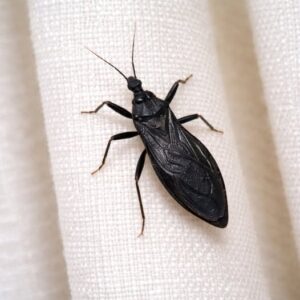
Knowing what an assassin bug looks like can help you identify one correctly.
Although different species vary in appearance, many share certain characteristics.
Common identifying features include:
-
A long, narrow body
-
A cone-shaped head
-
A beak-like mouthpart used for feeding
-
Long legs and antennae
They often measure about ¾ to 1¼ inches in length, making them larger than many other household insects.
Their coloration can vary, but many species appear dark brown or black with reddish or orange markings along the edges of their bodies.
Because they resemble other harmless insects, proper identification may require confirmation by experts.
Signs of an Assassin Bug Bite
Many people who are bitten by kissing bugs may not notice it immediately.
The bite itself is often painless at first because the insect injects a small amount of anesthetic saliva during feeding.
However, later symptoms may include:
-
Mild swelling
-
Redness
-
Itching
-
Skin irritation around the bite area
These reactions are similar to those caused by many other insect bites.
Most bites heal without serious complications.
However, if unusual symptoms appear afterward, it is wise to seek medical advice.
Understanding Chagas Disease
One of the reasons assassin bugs receive attention is their connection to Chagas disease, which is caused by the parasite Trypanosoma cruzi.
This parasite exists in certain species of kissing bugs.
Transmission can occur if infected material enters the body through broken skin, the eyes, or other sensitive areas.
It is important to emphasize that transmission requires specific circumstances and does not occur with every bite.
In the United States, confirmed cases linked to local transmission remain relatively rare.
Still, awareness is helpful for early diagnosis.
Early Symptoms of Chagas Disease
Some individuals infected with the parasite may develop mild symptoms during the early stage of infection.
Possible early symptoms may include:
-
Fever
-
Headache
-
Fatigue
-
Rash
-
Body aches
-
Nausea or vomiting
These symptoms can resemble many other common illnesses.
Some people may experience no symptoms at all during this stage.
Because of this, medical testing may be necessary to confirm infection.
Long-Term Health Concerns
If left untreated, Chagas disease can sometimes progress to a chronic stage years later.
In certain cases, this stage may affect:
-
The heart
-
The digestive system
-
Other organs
However, it is important to remember that not everyone infected will develop serious complications.
Many people remain symptom-free for years.
Early medical care greatly improves outcomes.
What To Do If You Suspect a Bite
If you believe you may have been bitten by a kissing bug, experts recommend several steps.
1. Wash the Bite Area
Use soap and warm water to clean the area thoroughly.
2. Avoid Scratching
Scratching can irritate the skin and increase the risk of infection.
3. Monitor Symptoms
Watch for unusual symptoms such as fever, swelling, or fatigue.
4. Seek Medical Advice
If you have concerns or notice unusual symptoms, contact a healthcare provider.
They may recommend testing to determine whether any infection is present.
How Doctors Diagnose Chagas Disease
Medical professionals use laboratory testing to detect infection.
Diagnosis typically involves:
-
Blood tests that look for the parasite
-
Tests that detect antibodies produced by the body
Early detection allows doctors to recommend appropriate treatment if needed.
Treatment Options
If Chagas disease is diagnosed early, treatment is often more effective.
Doctors may prescribe medications designed to eliminate the parasite.
Treatment plans vary depending on factors such as:
-
Age
-
Overall health
-
Stage of infection
Healthcare professionals can provide guidance on the best course of action.
Preventing Assassin Bug Encounters
Prevention is one of the most effective ways to reduce the risk of bites.
Simple household practices can make a significant difference.
Maintain a Clean Yard
Removing debris such as:
-
Piles of wood
-
Leaf litter
-
Unused materials
can reduce hiding places for insects.
Seal Entry Points
Check windows, doors, and wall openings for gaps.
Sealing cracks helps prevent insects from entering homes.
Use Screens
Ensure window and door screens are intact and properly fitted.
Reduce Outdoor Lighting Near Windows
Bright lights can attract insects, which may then enter homes.
Protecting Pets
Assassin bugs may also feed on animals.
Pet owners can take precautions by:
-
Keeping pet sleeping areas clean
-
Avoiding outdoor pet bedding near walls or debris
-
Checking pet shelters for insects
If a pet shows unusual symptoms after an insect bite, consulting a veterinarian is recommended.
What To Do If You Find an Assassin Bug
If you discover a bug you believe may be an assassin bug, experts recommend avoiding direct contact.
Instead:
-
Capture it using a container
-
Take a clear photo if possible
-
Contact local health or extension services for identification
Proper identification helps researchers monitor insect populations.
Why Awareness Matters
Public awareness about insects like assassin bugs serves several purposes.
It helps people:
-
Recognize potential risks
-
Take preventive steps
-
Seek medical advice when necessary
At the same time, understanding the facts prevents unnecessary panic.
Most encounters with these insects do not lead to serious health issues.
The Role of Research
Scientists continue studying assassin bugs to better understand their behavior and distribution.
Research focuses on topics such as:
-
Habitat preferences
-
Population changes
-
Disease transmission patterns
This information helps public health organizations develop effective prevention strategies.
Staying Safe While Enjoying Summer
Despite the presence of insects, outdoor activities remain an important part of a healthy lifestyle.
Simple habits can make a big difference in staying comfortable and protected.
These include:
-
Using insect repellent when appropriate
-
Wearing long sleeves during evening outdoor activities
-
Keeping sleeping areas clean and well-screened
With these precautions, families can continue enjoying nature safely.
Final Thoughts
Assassin bugs are part of a large family of insects that exist throughout the world.
While certain species can bite and potentially transmit parasites, serious health effects remain uncommon in many regions, including much of the United States.
The key to managing any potential risk is awareness.
By understanding what these insects look like, where they live, and how to respond to bites, individuals can take practical steps to protect themselves and their families.
If you ever suspect you have been bitten and notice unusual symptoms, consulting a healthcare professional is the best course of action.
In most cases, knowledge and simple prevention strategies are enough to ensure that summer remains a time for outdoor fun rather than worry.
With the right information, people can confidently enjoy their gardens, parks, and backyards while staying mindful of the natural world around them.