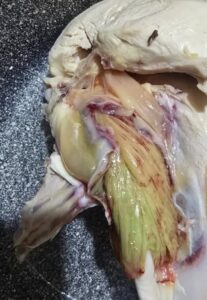
When it comes to green chicken meat, one of the most important factors is food safety. It’s not just about how the chicken looks but also how it smells, feels, and the environment it has been in before you cooked it. While some green discoloration is perfectly harmless and even natural, other types of green chicken, especially when combined with spoilage signs, can indicate potential health risks. It’s always better to be safe than sorry.
The Role of Temperature in Safe Chicken Consumption
Proper cooking is critical for ensuring that your chicken is safe to eat, regardless of any minor green discoloration. If you have cooked chicken that has green patches but no signs of spoilage, cooking it thoroughly is essential. The U.S. Food Safety and Inspection Service (FSIS) recommends cooking all poultry to an internal temperature of 165°F (74°C) to kill any harmful bacteria like Salmonella or Campylobacter, which can cause foodborne illness. Even if the green meat is from a harmless cause like Green Muscle Disease, cooking it to the proper temperature ensures that you’re eliminating any potential bacterial contaminants.
Moreover, even though the green area may not pose an immediate health threat, the texture may still be unappealing. The green discoloration often makes the meat spongy or less firm, which can affect the overall eating experience. In some cases, it’s best to simply discard the green parts if you’re not comfortable with the texture, especially if it’s a significant portion of the meat.
Dealing with Green Meat in Pre-Packaged Chicken
For those who buy chicken from supermarkets, it’s important to inspect pre-packaged chicken before cooking, especially if the packaging is sealed tight. If you see green patches inside the plastic or the meat is visibly discolored, check the “use by” or “sell by” date. If the meat is within the expiration period but still appears off, then it’s a good idea to return it for an exchange or refund.
When chicken is stored incorrectly or for too long, bacterial contamination can set in, and this is when green meat becomes a health concern. Spoiled chicken often shows signs of slime, sticky surfaces, or an off-putting odor that may be described as sour or sulfuric (like rotten eggs). If you come across these signs, don’t hesitate—throw it away immediately. It’s a small price to pay for avoiding the potentially serious consequences of foodborne illness.
Handling Green Chicken When It’s Just a Minor Issue
Sometimes, green chicken is purely aesthetic. As we’ve already discussed, Green Muscle Disease, or Deep Pectoral Myopathy, causes the inner muscle of the chicken to appear green. While it’s not particularly appetizing, it’s typically harmless, and the meat remains safe to eat once it’s cooked properly. If you come across green meat in the middle of your chicken, here are the steps to follow:
-
Inspect the area: Is the green part located in the center of the breast, or is it just a minor discoloration on the surface? The location of the green matter matters. If it’s deep inside the muscle, it’s likely the result of muscle injury or lack of oxygen.
-
Smell the chicken: Does it have an unpleasant odor? If it smells rotten or sour, discard it.
-
Touch the texture: A fresh chicken should feel firm, moist, and smooth, not slimy or sticky.
-
Cook to the proper temperature: If the chicken looks safe and you decide to go ahead and cook it, be sure to cook it to an internal temperature of 165°F (74°C) to be absolutely safe.
In many cases, these green spots are harmless but unappealing, and they can be easily removed before cooking. However, if you’re ever unsure, it’s better to err on the side of caution and not consume the meat.
How to Prevent Green Meat from Showing Up
If you’re not a fan of the green surprises on your chicken, there are steps you can take to reduce the likelihood of encountering this issue in the first place. Here are a few strategies that might help:
1. Purchase from Trusted Sources
Buying chicken from reputable sources can make a significant difference. Well-established suppliers and stores often ensure that chickens are handled properly and stored in optimal conditions. This reduces the risk of bruising, muscle damage, and spoilage. When it comes to poultry, quality control is everything.
Additionally, free-range or organic chickens may have slightly less risk of bruising compared to factory-farmed birds, though it’s not a guarantee.
2. Check the Chicken Before Cooking
Inspect your chicken thoroughly before cooking it. If you’ve purchased whole chicken or bone-in pieces, check the skin for any abnormal bruising, discoloration, or areas that might indicate a broken blood vessel. This can help prevent surprises when it comes time to cook. Don’t just rely on the expiration date—give the meat a good once-over to ensure it’s in tip-top condition.
3. Proper Storage
Once you bring your chicken home, store it properly. Chicken should be kept cold at all times. If you’re not cooking it within a day or two of purchase, place it in the freezer. Always store chicken in a sealed container or vacuum-sealed bag to keep it from drying out or absorbing odors. The quicker you use it, the less likely you are to encounter spoiled chicken or discoloration.
4. Cook Within the Timeframe
Try to cook or freeze chicken within the recommended timeframe. The sooner you cook it, the better the quality. Leaving chicken in your fridge for several days can lead to spoilage and increase the chances of bacterial growth, which can sometimes result in green discoloration. If in doubt, freeze it right away.
5. Avoid Cross-Contamination
Green meat or not, raw chicken always comes with the risk of cross-contamination. When handling chicken, always wash your hands thoroughly with soap and warm water, and disinfect surfaces that come in contact with the raw meat. It’s essential to keep raw chicken away from other foods, particularly vegetables, to prevent bacteria like Salmonella from spreading.
The Importance of Understanding Poultry Health
Another aspect to consider when encountering green meat in chicken is the overall health of the bird during its life. The causes of green discoloration, like Green Muscle Disease, can stem from the physical stress the chicken endures during its life, particularly during intensive farming practices. Chickens raised for meat production, especially those that are part of large-scale operations, often experience high levels of stress from overcrowding, lack of mobility, and rapid growth rates. These conditions can lead to bruising, muscle damage, and even death of tissue, which results in the green spots seen in the meat.
While the green discoloration doesn’t indicate contamination, it does raise important questions about animal welfare and the conditions in which these birds are raised. In a more ethical and sustainable farming system, chickens are given more space, healthier living conditions, and less stressful environments. This not only benefits the animal’s well-being but may also lead to higher-quality meat with fewer instances of bruising or green discoloration.
Many consumers are increasingly turning to free-range, organic, or locally sourced chicken to support better animal welfare practices. These birds often have more access to natural light, space, and a varied diet, which can contribute to better overall health and, in turn, healthier meat. While green spots can still occur under certain circumstances, supporting ethical farming practices helps reduce the frequency of these issues.
How Green Chicken Affects the Culinary Experience
While green chicken may not always be dangerous, it certainly impacts the culinary experience. The texture of the affected meat is often spongy, and the color change can be visually unappealing. Even if the chicken is safe to eat, it might not deliver the same pleasant mouthfeel and flavor you expect from a high-quality, well-cooked piece of poultry.
For instance, chicken breast is usually prized for its juicy and tender texture, but when it’s affected by Green Muscle Disease, the flesh may feel tougher or spongy. This can make for a less enjoyable eating experience, particularly if you’re expecting a perfectly cooked, melt-in-your-mouth piece of chicken.
Although the green color itself doesn’t signal spoilage, it’s often a good idea to remove any green portions of the chicken before cooking it. This can be especially helpful if you’re preparing a dish where the texture is critical, such as grilled chicken breasts or chicken salad. By removing the affected parts, you can ensure that the rest of the meat cooks properly and maintains the flavor and texture you’re accustomed to.
Can You Prevent Green Meat?
While you can’t always prevent green meat from appearing, there are steps you can take to reduce its occurrence and minimize its impact:
-
Buy Fresh, High-Quality Chicken: Purchase your chicken from reputable sources with proper handling procedures. Always check for bruises or other physical damage before buying. When possible, choose chicken that has been ethically raised, as this reduces the likelihood of stress-induced health issues.
-
Avoid Overhandling: If you’re buying chicken from the butcher or handling it at home, make sure to treat the meat gently to avoid bruising. Avoid dropping or roughly handling the chicken, especially when you’re working with whole birds or large cuts of meat. Take care when placing it in your shopping cart or fridge to prevent unnecessary damage.
-
Cook Within a Few Days: Fresh chicken is always better when cooked sooner rather than later. Avoid leaving raw chicken in the fridge for extended periods, as this can lead to bacterial growth or the development of discoloration. If you’re not able to cook it immediately, freezing it can help preserve its quality until you’re ready.
-
Understand the Breeds: Certain breeds of chicken are more susceptible to conditions like Green Muscle Disease. Chickens bred for high meat production (such as the common broiler chickens) often grow at a rapid pace, leading to issues like muscle damage and green meat. If you are particularly concerned about this, you might opt for heritage breeds, which tend to grow more slowly and have fewer issues with internal injuries.
Final Thoughts on Green Chicken
Encountering green chicken can be a bit unsettling, but understanding what causes it and knowing how to evaluate it can help you make an informed decision on whether to eat it or not. In most cases, green chicken meat isn’t a sign of contamination and can be safe to consume once cooked to the appropriate temperature. However, if you notice any unusual smells, slime, or stickiness, it’s crucial to discard it immediately to avoid the risk of foodborne illness.
Remember, trust your senses—smell, touch, and sight. If the meat passes these checks, it’s likely safe to eat, but it might not offer the best eating experience. In the end, whether you’re dealing with a little green discoloration or a full-on spoiled chicken, keeping these tips in mind will ensure you make the safest and most informed choice for your health and culinary enjoyment.
Lastly, next time you encounter a piece of green chicken, don’t panic. Take a moment to inspect, cook it thoroughly, and, if necessary, remove the affected parts. With a little knowledge and caution, you’ll be able to handle green meat like a pro and continue to enjoy your favorite chicken dishes without worry!