Introduction: A Renovation Like No Other
My wife and I were in the midst of renovating an old farmhouse. The entire experience had been full of surprises—from the dust, creaky floorboards, and the lingering smell of must and old varnish, to the more unexpected discoveries. We were excited about the transformation but hadn’t expected anything particularly groundbreaking. After all, it was just an old farmhouse, right? The house had been built many years ago, and we were prepared to encounter a few bumps along the way—rusted nails, scraps of old wood, maybe some hidden trash, but nothing too extraordinary.
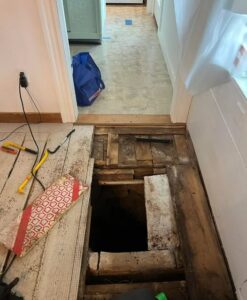
That is, until I began to remove the floorboards in the entryway.
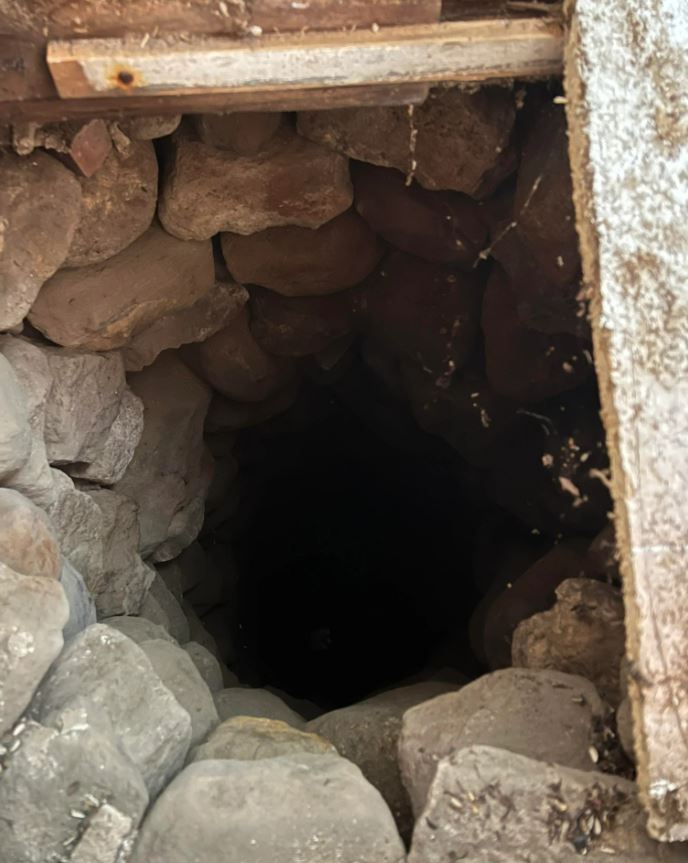
As I pried up the floorboards, I didn’t have high expectations. I thought it was just going to be the usual assortment of debris you might find beneath an old house—maybe some leftover nails or bits of old, forgotten rubbish. But with a clump and a distinct sound, I cleared the last board, only to find something truly unexpected beneath. There it was, something I never imagined—a hidden, stone-lined, rectangular chamber. To my surprise, it wasn’t an empty cavity or a broken foundation but a 19th-century water cistern—an underground storage chamber designed to collect and store water. The chamber was lined with large stones, and two old clay pipes protruded from one corner, hinting at something much older than the farmhouse itself.
It wasn’t just any hidden feature under the floor—it was a direct glimpse into the past.
source: Reddit
Discovering a Water System Under the Porch: A Glimpse Into History
At first glance, the discovery seemed just like any old pit or storage area. But as I looked closer, the design became more apparent. The stone-lined chamber was well-built, with great care taken in its construction. The two 6-inch clay pipes sticking out from the corner weren’t just random—these pipes were positioned strategically. As I investigated further, the angle of the pipes suggested that they had once been used to channel something into the cistern—likely water.
Through research and a bit of trial and error, I discovered that this was most likely a 19th-century water cistern, a feature that was common in rural homes during that time. These cisterns were built as a way to gather and store rainwater or runoff from nearby streams, particularly in places where wells were unreliable.
Given the sandy soil on this property, it became clear that shallow wells were often not a dependable source of water. A cistern was not just a luxury in such homes—it was a necessity. For a farmhouse like ours, with less-than-ideal access to groundwater, this system was critical to daily living.
This discovery had an undeniable sense of importance, not just for us as renovators, but as a direct link to the people who once lived in this house. They relied on such systems for their daily needs, from cooking and cleaning to drinking and gardening. The more I thought about it, the more I realized how advanced and resourceful the original inhabitants had been, using simple, practical methods to solve everyday challenges.
Old Technology, Smart Design: Ingenious Engineering of the Past
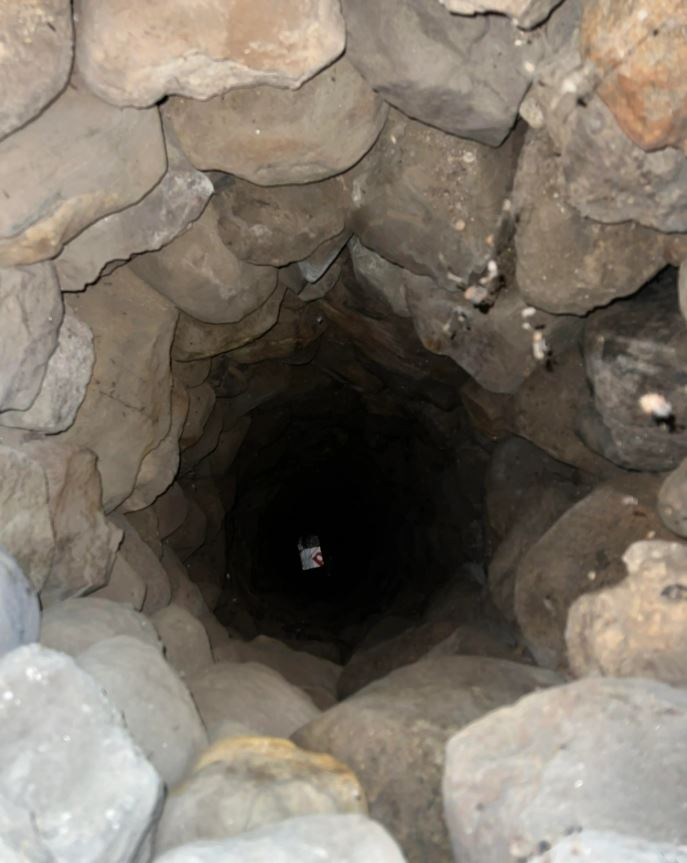
As I studied the cistern further, it became clear that the design wasn’t just rudimentary—it was an example of early, smart engineering. The clay pipes were a dead giveaway that this was a system built with care and foresight. In the 19th century, clay pipes were commonly used because they were durable and didn’t disintegrate over time like some other materials. These pipes had been strategically placed to carry water—likely from a nearby gutter or stream—into the cistern, using gravity alone to direct the flow of water. There were no pumps, no electricity, just a clever use of gravity and simple engineering.
This system had worked for the homeowners for decades, if not longer, providing a steady source of water when other sources were unreliable. Water would flow naturally into the cistern through the pipes, ready to be used for any number of purposes. The cistern would store this water, keeping it cool and fresh, ready to be drawn for daily use. It was a simple yet effective solution to a problem that many modern homes don’t even have to think about today.
source: Reddit
Still Functional? A Modern Twist on an Old Idea
At first, I entertained the idea of restoring the cistern and bringing it back to life as part of our home renovation. After all, it was an ingenious piece of technology that had once served an important purpose. With a rain barrel placed above the cistern, I imagined a new, sustainable irrigation system for the garden. It seemed like a reasonable and resourceful way to make use of the space. But before I could get too excited, I realized I would need to do some research.
I needed to trace those old pipes to understand how the system had functioned, what it was connected to, and if there were any long-forgotten fittings or residue inside. How much water did it hold? Was the system still viable? These were all questions I had to answer before I could move forward with this idea.
But as I thought about it more, I realized that even if I could make it functional again, the system was already a beautiful relic of the past. Its original purpose had long since passed, and while it could potentially still serve a purpose today, the very fact that it had survived for over a century made it a rare and valuable artifact in its own right.
A Glimpse of Everyday Life in the 1800s: Lessons from the Past
What struck me the most about this discovery was not just the technical aspects of the cistern, but its role in everyday life. This wasn’t some grand invention or technological marvel, but rather a simple, pragmatic solution to an everyday problem. It was an example of ingenuity and resourcefulness—the kind of practical thinking that helped people survive and thrive before modern conveniences.
The more I thought about it, the more I saw it as a window into the past. People in the 1800s didn’t have the luxuries we enjoy today, like high-tech plumbing, on-demand water heaters, or even reliable wells. They had to make do with what they had, using clever designs and simple tools to solve their problems. The cistern was just one example of how people in rural areas adapted to their environment and found creative solutions to the challenges they faced.
In many ways, the cistern represented the resilience of the people who lived in this house long before us. They may not have had the conveniences we take for granted today, but they had a reliable water system that helped them get by. The cistern wasn’t just a way to store water—it was a lifeline, a vital part of their daily routine.
Lessons From Under the Floor: History Beneath Our Feet
As I continued to dig deeper into this discovery, I realized something profound. This wasn’t just an abandoned relic from the past; it was part of a larger system that had worked seamlessly for generations. It was evidence of a way of life that no longer existed, but that still had lessons to offer. The cistern was a reminder of how people lived before the advent of modern technology, and how they used their creativity to solve everyday problems.
This discovery also made me reflect on how much we take for granted today. We have access to clean, reliable water at the turn of a tap, and it’s easy to forget that not so long ago, people had to rely on systems like this to get by. The cistern was a testament to human ingenuity, a small but important piece of history that had survived under the floorboards, hidden away from the modern world for over a century.
The lesson here is that history doesn’t always wait for a museum to preserve it. Sometimes, it’s right under your feet, just waiting to be uncovered. If you live in an older home or are embarking on a renovation project, take the time to look beneath the surface—literally. You never know what you might find.
Conclusion: A New Appreciation for the Past
Renovating an old farmhouse is never a straightforward task, but the discovery of the 19th-century cistern under the floorboards added a new dimension to our project. It wasn’t just a chance find; it was a moment of connection with the past, a glimpse into the lives of those who had lived here long before us. The cistern wasn’t just a relic—it was a testament to the practicality and ingenuity of the people who had once relied on it.
As we move forward with our renovation, we’ve decided to leave the cistern as it is, preserving it as a piece of history. It’s not just an old structure—it’s a reminder of how people lived without the conveniences we often take for granted today. And while the cistern may no longer serve its original purpose, it will always be a part of the story of our home—a reminder that sometimes, history isn’t just in books or museums. Sometimes, it’s right under our feet.
So, the next time you find yourself renovating an old house or simply digging through an old attic or basement, take a moment to look around. You might just discover a piece of history that tells a story you never expected to hear.