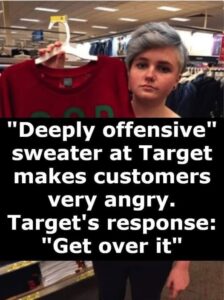
In recent years, customers have become increasingly engaged in conversations about the messages and imagery found on retail products. As social media has made it easier to share opinions quickly, even small design choices can spark large discussions. One example involved a holiday-themed shirt sold at a major retail chain, which drew attention after a shopper shared concerns about how the wording on the product might be interpreted. Although the item appeared to be a playful seasonal design, the customer felt the message could be misunderstood and decided to raise the issue publicly.
The shopper, Reign Murphy, posted a photo of the shirt online and explained why she believed the phrase printed on it could be sensitive for some individuals. The design included the phrase “OCD Christmas obsessive-compulsive disorder,” presented as a holiday-themed pun. Murphy expressed concern that using the term in a lighthearted way might unintentionally minimize the experiences of people who live with obsessive-compulsive disorder. OCD is a recognized medical condition that can affect daily routines, thoughts, and behaviors, and for many people it requires ongoing support and treatment. Her post encouraged others to reflect on how language used in products might impact different audiences.
The conversation quickly expanded as more people shared their own perspectives. Some individuals who experience OCD said they personally did not find the shirt offensive and viewed it as a harmless seasonal joke rather than a negative reference. Others agreed with Murphy that mental health terms should be used thoughtfully, especially when placed on consumer products. The variety of responses demonstrated how differently people can interpret the same design depending on their experiences and viewpoints.
In response to the discussion, a spokesperson for the retailer acknowledged the concerns raised by some shoppers and expressed appreciation for the feedback. While the company apologized to anyone who felt uncomfortable with the design, it also noted that reactions to the shirt varied among customers. Situations like this illustrate how public conversations around product design continue to evolve. As shoppers share opinions more openly, companies and consumers alike are encouraged to consider context, intention, and the diverse experiences people bring when interpreting everyday products.