On February 28, 2026, a powerful explosion destroyed the Shajareh Tayyebeh girls’ primary school in Minab, southern Iran, during regular class hours, killing scores of pupils and staff amid broader regional fighting.
The school was located in Iran’s Hormozgan Province, a region targeted by extensive air operations conducted by U.S. and allied forces against Iranian military infrastructure at the start of the 2026 Iran war.
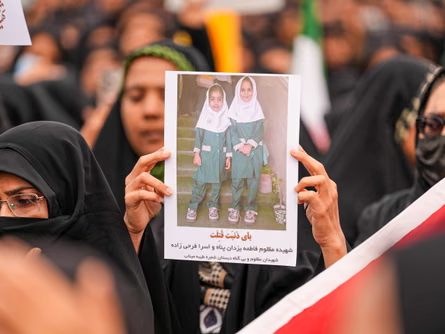
Iranian state media described the incident as one of the deadliest civilian attacks during the conflict, reporting between 168 and 180 fatalities, most of them schoolgirls aged roughly 7–12 years old.
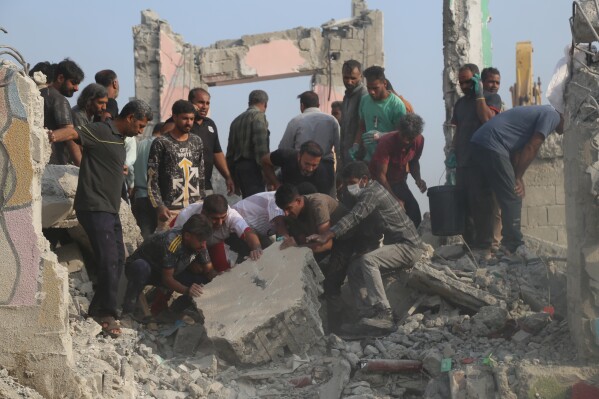
Satellite imagery shows the school building collapsed with severe structural damage as rescue workers and local residents combed through wreckage amid smoke and dust.
Iran’s Ministry of Education reported that around 264 students had been present left the school with many classes still underway when the blast occurred.
The school lay adjacent to a former Islamic Revolutionary Guard Corps (IRGC) compound that earlier served as a base for naval forces but had been walled off decades earlier and operated as a civilian educational site.
Despite being close to military facilities, the school structure and playground were separate from the main base, clearly functioning as a civilian institution with no verified military purpose.
Initial Iranian government statements blamed U.S. and Israeli military strikes for the explosion, calling the event a “war crime” and demanding accountability at international forums including the United Nations.
President Masoud Pezeshkian described the strike as an act that would never fade from Iran’s historical memory, urging global condemnation of what Tehran labeled as aggression.
Iran’s foreign minister and other officials reiterated that the attack on schoolchildren represented a blatant violation of humanitarian law and called for immediate investigations into the incident.
The UN Educational, Scientific and Cultural Organization (UNESCO) condemned the bombing, calling it a grave breach of international humanitarian law and emphasizing schools’ protected status in armed conflict.
United Nations human rights experts and the Secretary‑General also urged independent inquiries, stating that children must be shielded from hostilities under international conventions.
Human rights groups including Human Rights Watch called for investigations by all parties involved in the broader conflict, asserting that any unlawful attack on civilians should be thoroughly examined.
Satellite and open‑source imagery suggested a multiple‑impact strike pattern that hit both the school and adjacent buildings in the complex, indicating precision munitions were involved.
A video later circulated by Iran’s semiofficial media, verified by geolocation analysts, showed a missile impacting near the school and rising smoke, while the surrounding compound had already been hit.
Investigators from Bellingcat, an independent open‑source research group, analyzed the footage and concluded a munition in the clip resembled a Tomahawk cruise missile, a weapon system currently used by the U.S. military.
Tomahawk cruise missiles are not known to be deployed by Iranian forces in the ongoing conflict, a detail that raised questions about the origin of the strike.
The Associated Press (AP) confirmed that satellite imagery and damage patterns were consistent with air‑to‑surface munitions rather than a random explosion or accidental domestic launch.
While neither the United States nor Israel publicly accepted responsibility, U.S. military acknowledgement of operations in the broader region that day prompted internal investigation into civilian harm.
A U.S. official, speaking anonymously to the AP, noted that evidence suggested the explosion likely originated from U.S. forces active near the target area when the school was hit.
The Pentagon has maintained that it takes civilian casualties seriously and that initial probes were ongoing but not yet conclusive on direct responsibility.
Israeli military sources have stated that their forces were not operating near Minab at the time of the strike and denied involvement in the attack.
Certain U.S. lawmakers, including senators on national security panels, publicly demanded an impartial investigation after review of video evidence and expert analysis of the strike.
These lawmakers described the killing of schoolchildren as “appalling” and called for transparency from the U.S. Defense Department regarding engagement decisions that day.
Humanitarian organizations warned that attacks on educational institutions not only breach international law but deepen trauma and undermine education rights in conflict zones.
The strike on Minab’s girls’ school became emblematic of rising civilian casualties in the war, prompting international rights bodies to stress civilian protection in military planning.
Iran’s continuing missile and drone actions against U.S. and allied forces across the Gulf region have been part of the wider conflict escalation since early 2026.
The war has also disrupted global markets, contributed to rising oil prices, and sparked regional diplomatic tensions involving Gulf states and Western allies.
International news agencies continue to monitor the Minab incident as investigators work to collect evidence, testimonies, and imagery to establish a clearer account of the strike.
Some analysts note that the proximity of civilian infrastructure to former military compounds can complicate target identification but emphasize that international law requires verification before attacks.
A UN panel also expressed deep concern about the deaths of children in the attack, regardless of the party responsible, affirming that every effort must be made to prevent harm to civilians.
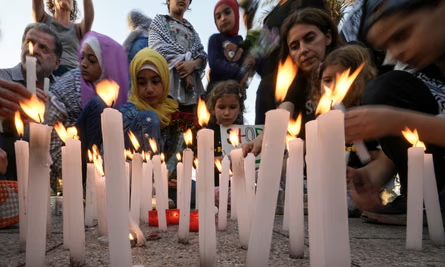
In the aftermath, families in Minab continue to grieve and search for missing loved ones, while volunteers and emergency workers attempt to recover survivors from the rubble.
Education authorities in Iran announced mental health and trauma support programs for affected families and school communities devastated by the loss.
The strike has revived international debate over rules of engagement, civilian protection, and how modern precision warfare intersects with humanitarian norms.
Legal experts say possible violations should be examined under the laws of armed conflict, including provisions of the Geneva Conventions regarding proportionality and target verification.
Upcoming inquiries may involve neutral international observers to ensure transparency and adherence to legal standards in determining responsibility.
Several global advocacy groups called on all parties to abide by humanitarian law and protect children and civilians in active war zones moving forward.
Public and independent media outlets have highlighted the need for verified eyewitness accounts and corroborated imagery to counter misinformation on all sides.
Amid competing narratives, fact‑checking organizations have pointed out that no official confession has been made by Iranian forces claiming responsibility for the blast.
Despite ongoing investigations, experts caution against premature conclusions and stress the complexity of confirming operational responsibility in active combat zones.
International bodies are mobilizing resources to assist with documentation of evidence, family reunification efforts, and legal assessments following the strike.
The Minab school bombing remains a tragic reminder of the catastrophic human cost when civilian infrastructure becomes engulfed in broader military campaigns.