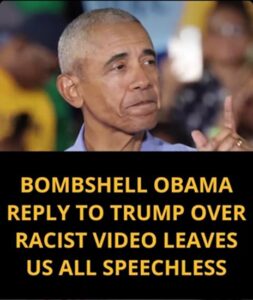
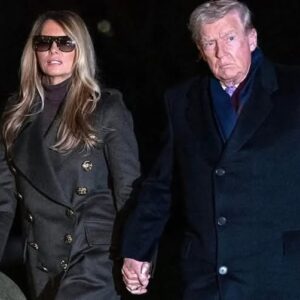
Former President Barack Obama recently spoke about the increasingly harsh tone of modern political discourse following controversy surrounding a social media post shared by President Donald Trump.
The episode drew widespread public attention and sparked renewed debate about civility in American politics. The controversy began when a video circulated on the social media platform Truth Social on February 5.
The clip included an edited segment depicting the faces of Barack Obama and Michelle Obama superimposed onto animated apes dancing.
The video used the song “The Lion Sleeps Tonight,” a well-known track that has appeared in popular culture for decades. Critics quickly argued that the imagery echoed historically racist tropes used against Black public figures.
The edited clip appeared at the end of a longer video that also referenced disputed claims about the 2020 United States presidential election. Those claims have been widely rejected by courts and election officials from both political parties.
Within hours of appearing online, the video began circulating widely across social media platforms. Many political commentators, journalists, and advocacy groups condemned the imagery and described it as offensive and inappropriate.
The post was later removed from Truth Social, though screenshots and clips continued spreading online. By that point, the video had already triggered significant criticism from across the political spectrum.
Representatives connected to Donald Trump responded to the controversy by suggesting that the president had not fully reviewed the entire video before it was posted. According to those statements, he had only briefly glanced at the beginning.
Trump reportedly said he believed the clip related to a lighthearted reference to “The Lion King” or similar pop culture imagery. He attributed the post to staff involvement and said he did not personally intend offense.
Despite those explanations, the situation quickly became a flashpoint in ongoing political debates about rhetoric and responsibility on social media platforms. Commentators discussed how quickly controversial content can spread online.
Some Republican figures also expressed concern about the imagery and tone of the video. While reactions varied, several politicians emphasized the importance of maintaining respectful discourse in national politics.
Among those who commented publicly was Senator Tim Scott of South Carolina. He described the imagery as deeply troubling and urged leaders to maintain higher standards in political communication.
Democratic lawmakers and civil rights organizations were more direct in their criticism. Many argued that the imagery reinforced long-standing racial stereotypes that have historically been used to demean Black individuals.
The controversy also reignited broader discussions about the role of social media in shaping political narratives. Platforms like Truth Social, X, Facebook, and YouTube have become central arenas for political messaging.
Because of the speed at which information spreads online, critics say controversial posts can reach millions of viewers before corrections or clarifications appear. This dynamic has transformed modern political communication.
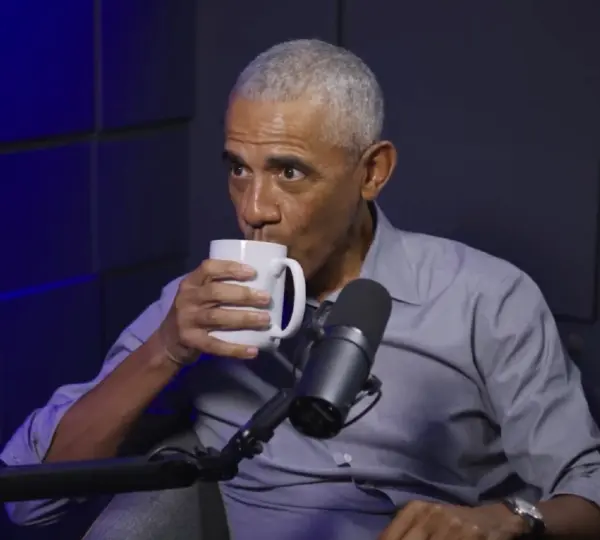
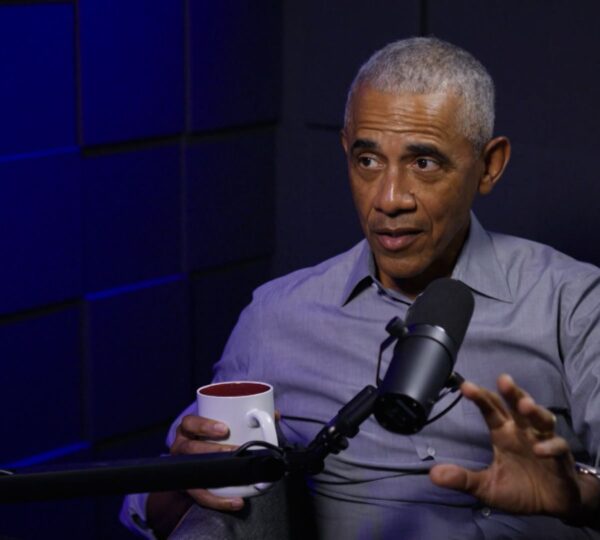
Former President Barack Obama addressed the broader issue during a conversation released on February 14 with political commentator and podcaster Brian Tyler Cohen. The interview touched on several topics related to public discourse.
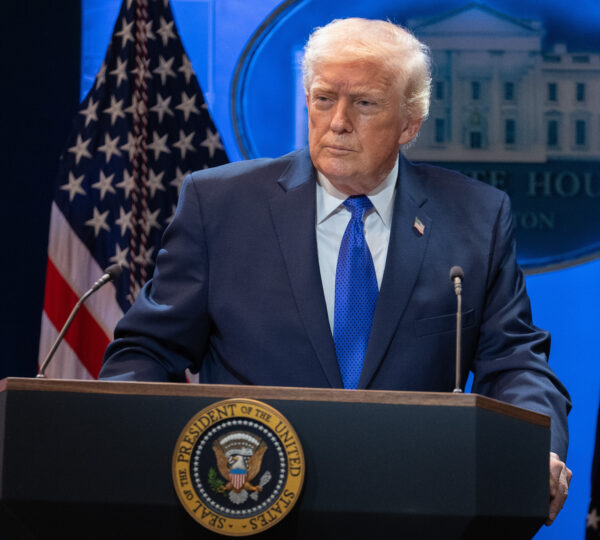
Although Obama did not directly mention Donald Trump by name in the portion discussing the controversy, many listeners interpreted his remarks as referencing the broader climate surrounding the viral video.
During the interview, Obama reflected on the contrast between everyday interactions among Americans and the tone often seen in political messaging. He suggested that most people still value respect and basic courtesy.
“As I’m traveling around the country,” Obama explained, “you meet people who still believe in decency, courtesy, and kindness.” He emphasized that those values remain common despite the louder voices dominating online discussions.
Obama then contrasted that experience with what he described as a “clown show” atmosphere on certain social media platforms and television programs. His comments highlighted the growing gap between online rhetoric and everyday interactions.
He expressed concern that traditional expectations for public leadership appear to have weakened over time. According to Obama, past political leaders often felt pressure to maintain a sense of decorum.
“There used to be an expectation that public officials would demonstrate respect for the office they held,” he noted during the interview. In his view, that sense of responsibility has eroded in parts of modern political culture.
Obama did not focus exclusively on the video controversy. Instead, he framed the moment as part of a broader conversation about the direction of American politics and public debate.
Throughout the discussion, he emphasized that democratic societies rely heavily on shared norms of honesty, accountability, and mutual respect. Without those norms, political disagreements can become more divisive and hostile.
The interview also touched on current policy debates, including immigration enforcement and federal law enforcement operations in certain American cities. These topics have become major points of disagreement between political parties.
Obama expressed concern about reports describing aggressive enforcement tactics during immigration operations. He suggested that maintaining clear rules and oversight is essential for protecting both public safety and civil liberties.
Critics of federal immigration enforcement policies have argued that some operations can create fear within immigrant communities. Supporters of those policies, however, say strong enforcement is necessary for maintaining the rule of law.
The debate reflects broader disagreements about immigration policy in the United States. Lawmakers from both parties continue to argue about how best to balance humanitarian concerns, border security, and economic realities.
Obama emphasized that political disagreements should not eliminate the need for empathy and careful policymaking. He argued that even contentious issues deserve thoughtful discussion rather than inflammatory rhetoric.
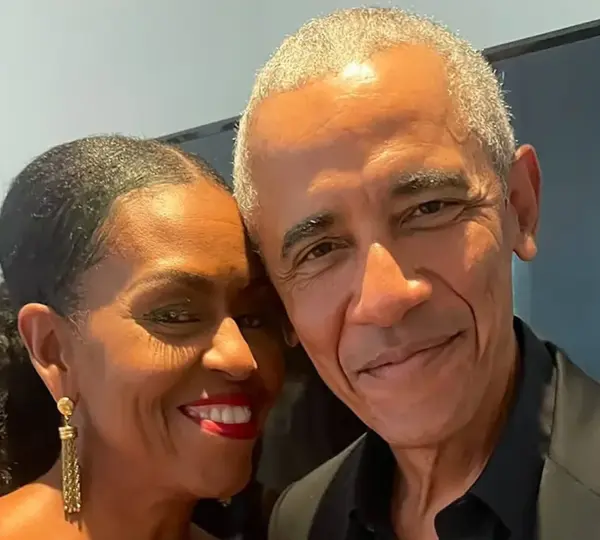
Throughout the interview, he repeatedly returned to the theme of democratic responsibility. According to Obama, leaders and citizens alike share a role in shaping the tone of public conversation.
He suggested that voters ultimately determine the direction of political culture through their choices in elections. When citizens demand higher standards from their leaders, those expectations can influence political behavior.
Obama also emphasized that the American political system includes safeguards designed to protect democratic institutions. Elections, courts, and a free press all play a role in maintaining accountability.
While acknowledging deep divisions in American politics, Obama expressed confidence that many citizens remain committed to democratic principles. He argued that public engagement can help reinforce those values.
“We’re going to push back with the truth,” he said during the interview, emphasizing the importance of factual information in public debate. In his view, transparency remains a key defense against misinformation.
Political analysts note that moments of controversy often reveal underlying tensions within society. Debates about race, free speech, and political accountability frequently intersect in highly visible public disputes.
The viral video controversy illustrates how symbolic imagery can carry powerful historical associations. Because of that history, even brief or edited clips can provoke strong emotional responses from audiences.
At the same time, the rapid spread of digital media can blur the line between satire, political messaging, and offensive content. Determining intent and responsibility often becomes part of the public debate.
Many experts argue that political leaders must exercise particular caution when sharing content online. Posts from high-profile accounts can influence public conversation and shape perceptions across the country.
The episode also highlights the continuing influence of former presidents in shaping political discussion. Even after leaving office, figures like Barack Obama remain influential voices in national debates.
As the conversation around the controversy continued, media organizations and commentators examined the broader cultural implications. Questions about political civility and digital responsibility remain central themes.
Ultimately, Obama’s comments focused less on the specific video and more on the larger climate of political communication. He framed the issue as part of an ongoing challenge facing democratic societies.
Despite the intensity of recent political conflicts, Obama concluded his remarks with a message of cautious optimism. He expressed confidence that many Americans still support principles such as honesty, fairness, and mutual respect.
According to Obama, those values continue to shape the decisions people make when they participate in elections, civic discussions, and community life. Democratic systems rely on citizens who remain engaged and informed.
The broader lesson, he suggested, is that the tone of public discourse can change when citizens insist on higher standards from leaders and institutions. Political culture ultimately reflects the choices societies make together.