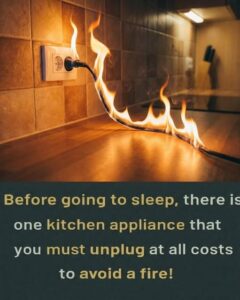
Electricity powers nearly every part of modern life. From the moment many people wake up in the morning to the moment they go to sleep at night, electrical devices quietly support daily routines. Coffee makers prepare breakfast beverages, refrigerators preserve food, televisions deliver entertainment, and chargers keep smartphones ready for use.
Over time, homes have become filled with dozens of electrical appliances and electronic devices. While these tools make life easier and more comfortable, they also consume energy in ways that are not always obvious.
Many people assume that once an appliance is turned off, it stops using electricity entirely. In reality, that is not always the case. A surprising number of household devices continue drawing small amounts of power even when they appear to be inactive.
This hidden energy use is commonly referred to as standby power or phantom energy.
Although the amount of electricity consumed by a single device may be very small, the combined effect of multiple appliances quietly drawing power throughout the day can add up. Over weeks, months, and years, this ongoing energy use may contribute to higher electricity bills and unnecessary energy consumption.
Beyond the financial aspect, leaving certain appliances plugged in when they are not being used may also create minor safety concerns. Devices that generate heat, contain aging wiring, or include electrical components under constant power may occasionally experience wear over time.
Fortunately, reducing phantom energy and improving home safety does not require expensive upgrades or complicated changes. One of the simplest steps homeowners can take is unplugging certain appliances when they are not in use.
Understanding which devices continue using electricity—and which ones are best disconnected after use—can help households save energy while creating a safer living environment.
Understanding Phantom Energy and Standby Power
Before exploring which appliances should be unplugged, it is helpful to understand how standby power works.
Many modern electronic devices are designed to remain partially active even when they appear to be turned off. This design allows them to perform background functions that support convenience and quick operation.
Some of these functions include:
-
Maintaining internal clocks
-
Storing user settings and preferences
-
Responding to remote controls
-
Enabling instant startup when powered on
-
Downloading software updates or maintaining network connections
These background activities require a small but continuous flow of electricity. As long as the device remains plugged into an outlet, that electrical connection allows power to continue flowing.
For example, a television may appear completely off, but its internal circuits remain active so it can respond instantly when the remote control is used. Similarly, a microwave oven display clock continues to draw power to keep accurate time.
Individually, these small energy demands are not large. However, when dozens of devices throughout a home operate in standby mode all day and night, the energy consumption can accumulate.
Studies conducted in the United States suggest that standby power may account for a measurable percentage of household electricity use. For some homes, phantom energy may represent a noticeable portion of the monthly electricity bill.
Reducing this type of energy waste often begins with identifying which devices draw electricity continuously and deciding when unplugging them makes sense.
Why Unplugging Appliances Improves Home Safety
Saving energy is one reason to unplug unused appliances, but safety is another important consideration.
Electrical devices contain internal components such as wiring, circuit boards, capacitors, and heating elements. Over time, these parts may experience wear from repeated use or constant electrical exposure.
Even when an appliance is not actively operating, remaining connected to a power source means its internal circuits still experience electrical pressure. In rare situations, aging components or damaged cords may create risks such as overheating or electrical faults.
While modern appliances are designed with strict safety standards and built-in protection systems, disconnecting certain devices when they are not in use can provide an additional layer of precaution.
This habit can be especially helpful for appliances that generate heat or those commonly left unattended for long periods.
Unplugging devices when they are not needed reduces the possibility of electrical problems developing while no one is nearby to notice them.
For families who want to practice simple, proactive home safety, this small step can make a meaningful difference.
Appliances That Are Best to Unplug After Use
Not every appliance in a home needs to be unplugged regularly. Some devices—such as refrigerators or internet routers—are designed to remain connected at all times.
However, several common household appliances benefit from being unplugged when they are no longer needed.
The following examples highlight devices that many safety and energy experts recommend disconnecting whenever possible.
Space Heaters
Portable space heaters are widely used during colder months to provide warmth in specific rooms.
While these appliances are convenient and effective, they also demand significant amounts of electricity. Space heaters work by converting electrical energy into heat, which means their internal components can become extremely hot during operation.
Because of this heat generation, space heaters require careful handling and attention.
Even when switched off, leaving a space heater plugged into an outlet allows electrical current to remain connected to the device’s internal wiring.
Unplugging a space heater after use is considered a good safety practice, particularly before leaving the house or going to sleep.
Disconnecting the heater also prevents accidental activation, which could occur if the power switch is bumped or if the device experiences an electrical issue.
Taking a moment to unplug the heater when it is no longer needed helps ensure that it remains completely inactive.
Hair Styling Tools
Hair styling appliances such as curling irons, hair straighteners, and flat irons are designed to reach very high temperatures quickly.
These tools are commonly used in bathrooms and bedrooms, where busy morning routines sometimes make it easy to forget to unplug them.
Many modern styling devices include automatic shut-off features that turn the appliance off after a certain amount of time. While this feature improves safety, unplugging the device after use is still a helpful habit.
Disconnecting the power source ensures that electricity is no longer flowing through the heating element.
Allowing the tool to cool down before storing it also reduces the risk of accidental burns or damage to nearby surfaces.
Developing the habit of unplugging styling tools immediately after use can significantly reduce the chance of them being left powered for long periods.
Toasters and Toaster Ovens
Toasters and toaster ovens are small kitchen appliances used frequently in many homes.
Inside these devices are heating coils that generate intense heat during operation. Over time, small crumbs from bread and other foods may accumulate at the bottom of the appliance.
If crumbs collect in large amounts, they can occasionally burn or smolder when the appliance is used again.
While this situation is uncommon, unplugging the toaster when it is not being used adds an extra measure of precaution.
Disconnecting the appliance also eliminates any possibility of accidental activation.
Regular cleaning is equally important. Removing crumb trays and clearing away food debris helps maintain safe operation and ensures the appliance continues working efficiently.
Clothes Dryers
Clothes dryers are among the most energy-intensive appliances found in many households.
During operation, dryers generate heat and circulate air to remove moisture from clothing. Once a drying cycle ends, most modern machines automatically shut off.
However, the electronic components inside the dryer may still draw small amounts of electricity as long as the appliance remains plugged in.
Unplugging a dryer after every load may not be practical due to how these appliances are typically installed.
However, turning off the outlet or circuit breaker during maintenance or extended periods of non-use can reduce standby energy consumption.
Cleaning the lint trap after each load and periodically checking the dryer vent are also important safety steps, as lint buildup can affect both efficiency and safety.
Coffee Makers
Coffee makers are a daily staple in many households.
Some models operate with simple on-and-off switches, while others include digital displays, clocks, and programmable timers.
These electronic features allow coffee makers to start brewing automatically at scheduled times. However, maintaining these settings requires a constant supply of electricity.
As a result, coffee makers may continue drawing small amounts of power even when they are not actively brewing.
Unplugging the coffee maker after use prevents this standby energy use and ensures the appliance is fully powered down.
Another option is connecting the coffee maker to a power strip that can be turned off easily when the appliance is not needed.
Phone Chargers and Small Electronics
Phone chargers are one of the most common sources of phantom energy.
Even when no phone or tablet is connected, the charger itself continues drawing a small amount of electricity from the outlet.
This energy use is very small for a single charger, but many homes contain multiple chargers for phones, tablets, laptops, and other portable devices.
When several chargers remain plugged in continuously, the combined energy use becomes more noticeable.
Unplugging chargers when they are not being used helps eliminate this unnecessary energy consumption.
It may also extend the life of the charger by preventing constant heat buildup.
Televisions and Entertainment Systems
Home entertainment setups often include several interconnected devices.
A typical setup might include:
-
A television
-
Streaming boxes or media players
-
Gaming consoles
-
Soundbars or speaker systems
-
Cable or satellite receivers
Many of these devices are designed to remain partially active even when powered off so they can respond quickly to remote controls or perform background updates.
When multiple electronics operate in standby mode at the same time, their combined energy consumption can add up.
Unplugging these devices or connecting them to a power strip that can be turned off easily helps reduce phantom energy.
Some households prefer using smart power strips that automatically cut power when the main device—such as the television—is turned off.
Gaming Consoles
Gaming consoles are powerful electronic devices that often remain connected to the internet even when not actively being used.
Many consoles continue running background processes while in standby mode, such as downloading updates, maintaining network connections, or charging controllers.
These background activities require electricity, which means the console continues consuming power even when it appears to be off.
Turning the console off completely or unplugging it when it will not be used for extended periods can reduce unnecessary energy use.
Smart Home Devices and Connected Electronics
Smart home technology has introduced a wide range of connected devices into modern households.
Examples include smart speakers, voice assistants, smart plugs, and automated lighting systems.
Many of these devices are designed to remain active continuously so they can respond to voice commands or perform scheduled actions.
Although each device typically uses a small amount of electricity, the combined energy consumption of multiple smart devices can gradually increase overall household energy use.
Homeowners who want to minimize phantom energy may choose to unplug devices that are not essential for daily automation.
How Smart Power Strips Can Help
Unplugging appliances individually can sometimes feel inconvenient, especially in areas where multiple electronics are connected together.
Smart power strips provide a helpful alternative.
These devices monitor electricity use and automatically cut power to electronics when they enter standby mode.
For example, when a television is turned off, the smart power strip may also disconnect electricity to the connected sound system, gaming console, or streaming device.
This automatic process helps reduce phantom energy without requiring users to unplug several devices manually.
Smart power strips are particularly useful in home entertainment areas or home offices where multiple electronics operate together.
Developing Simple Energy-Saving Habits
Reducing phantom energy does not require major lifestyle changes or complicated technology.
Instead, it often involves building small habits that become part of everyday routines.
Some simple habits include:
-
Unplugging appliances after using them
-
Turning off power strips before leaving home
-
Disconnecting chargers when devices are fully charged
-
Cleaning appliances regularly to maintain safe operation
-
Checking cords and outlets for signs of wear
Over time, these habits become second nature and contribute to both energy savings and home safety.
Environmental Benefits of Reducing Energy Waste
Lowering household electricity use does more than reduce utility bills.
Electricity generation often requires natural resources such as natural gas, coal, wind, water, or solar energy systems.
When households reduce unnecessary electricity consumption, they help decrease overall demand on energy infrastructure.
Even small reductions in energy use across millions of homes can lead to meaningful environmental benefits.
Reducing phantom energy contributes to a more efficient use of energy resources and supports long-term sustainability.
How Much Energy Can Be Saved?
The amount of energy saved by unplugging appliances varies depending on household size, number of devices, and daily habits.
Homes filled with electronics, chargers, and entertainment equipment may experience greater energy savings when standby power is reduced.
Although the savings from unplugging a single device may be small, the combined effect of many devices over time can become noticeable.
By taking simple steps to disconnect unused appliances, homeowners can gradually reduce energy waste and manage electricity consumption more effectively.
Making Safety a Daily Priority
Electrical safety is an important aspect of responsible home management.
Modern appliances are built with advanced safety features and undergo strict testing before reaching consumers. However, unplugging certain devices when they are not needed adds another level of protection.
This habit helps ensure that appliances remain completely inactive while not in use.
Families can incorporate these safety practices into daily routines without much effort.
A few seconds spent unplugging a device may prevent potential problems while also saving energy.
Final Thoughts
Many people assume that turning off an appliance completely stops it from using electricity. In reality, many devices continue drawing power as long as they remain plugged into an outlet.
This standby energy—often called phantom energy—can gradually increase electricity costs and contribute to unnecessary energy consumption.
By unplugging or disconnecting certain appliances after use, homeowners can reduce wasted electricity while improving household safety.
Devices that generate heat, such as space heaters and hair styling tools, are especially important to unplug when they are no longer needed.
Other electronics, including chargers, entertainment systems, gaming consoles, and coffee makers, may also benefit from being disconnected to reduce standby power.
Developing simple habits like unplugging appliances, using smart power strips, and staying mindful of energy use can create lasting benefits over time.
In the end, small daily actions can lead to meaningful improvements—helping households save energy, reduce expenses, and maintain a safer and more efficient living environment.