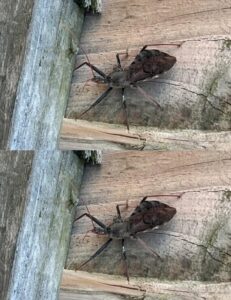
Summer in the United States often brings longer days, outdoor barbecues, backyard gardening, hiking trips, and family vacations. While warm weather encourages people to spend more time outside, it also brings increased exposure to insects. Most Americans are already aware of the risks posed by mosquitoes, ticks, and wasps. However, another insect has received growing attention from public health experts in recent years: the assassin bug.
Although encounters with assassin bugs remain relatively rare compared to mosquito or tick bites, awareness is increasing across parts of the country. Certain species—commonly called kissing bugs—can carry a parasite linked to a serious illness known as Chagas disease.
For most Americans, the risk of infection remains low. Still, understanding what assassin bugs are, where they live, and what steps to take if you are bitten can help protect your health and the health of your family.
You might not realize it, but simple actions—such as properly cleaning a bite or sealing small gaps around your home—can significantly reduce potential health risks.
The Hidden Meaning / Significance
Assassin bugs represent more than just another summertime insect. Their presence highlights broader environmental and public health trends, including climate shifts, expanding insect ranges, and the importance of disease awareness in the United States.
Why Kissing Bugs Attract Attention From Health Experts
Assassin bugs belong to a large insect family known as Reduviidae, which includes more than 7,000 species worldwide. Most species are beneficial predators that help control garden pests by feeding on other insects.
However, a small subgroup—commonly referred to as kissing bugs—feeds on the blood of mammals, including humans. These insects often bite around the face, particularly near the mouth or eyes, which is where their nickname originates.
Their bites are usually painless at first, which allows them to feed without disturbing the sleeping host.
The real concern is not the bite itself but what can happen afterward.
The Link Between Assassin Bugs and Chagas Disease
Certain kissing bug species can carry the parasite Trypanosoma cruzi, which causes Chagas disease, a condition that can affect the heart and digestive system.
According to the U.S. Centers for Disease Control and Prevention (CDC), an estimated 300,000 people in the United States may already be living with Chagas disease, though most infections were acquired in Latin America.
Source: https://www.cdc.gov/parasites/chagas/
Unlike mosquito-borne illnesses, the parasite is not transmitted through the bug’s saliva. Instead, infection may occur if parasite-containing feces enter the body through:
-
A bite wound
-
Broken skin
-
The eyes
-
The mouth
This means that scratching the bite area can increase the risk of infection by pushing contaminated material into the skin.
Why Awareness Matters
Although transmission in the U.S. is uncommon, public health officials emphasize awareness for several reasons:
-
Climate and environmental changes may influence insect ranges.
-
Outdoor recreation continues to increase nationwide.
-
Many Americans are unfamiliar with the insect and its risks.
Early awareness allows individuals to recognize symptoms, seek medical care, and prevent complications.
Practical Implications for People / Consumers / Businesses
Understanding assassin bugs is not just a scientific issue—it has practical implications for homeowners, outdoor enthusiasts, pet owners, and even property managers.
Recognizing the Signs of a Bite
Assassin bug bites can resemble other insect bites, making them difficult to identify.
Common reactions may include:
-
Localized redness
-
Mild swelling
-
Itching or irritation
-
A small bite mark
However, symptoms of Chagas infection may appear weeks later in some cases.
Possible early symptoms include:
-
Fever
-
Fatigue
-
Headache
-
Muscle aches
-
Loss of appetite
-
Skin rash
-
Swelling near the bite site
-
Swelling around one eye (called Romaña’s sign) if the parasite enters through the eye
Because these symptoms resemble common viral illnesses, they may go unnoticed or misdiagnosed.
Immediate Steps to Take After a Bite
If you believe you may have been bitten by an assassin bug, taking prompt action can reduce potential risks.
Recommended steps include:
-
Wash the bite area thoroughly
Clean the skin using soap and warm water to remove potential contaminants. -
Avoid scratching the bite
Scratching may introduce bacteria or parasite material into the wound. -
Apply a mild antiseptic
This helps prevent infection and promotes proper wound care. -
Monitor symptoms for several weeks
Watch for fever, unusual swelling, fatigue, or other symptoms. -
Seek medical attention if symptoms develop
A healthcare provider may recommend diagnostic testing.
The CDC notes that early treatment of Chagas disease can significantly improve outcomes, especially during the initial stage of infection.
When Medical Testing May Be Recommended
Doctors may order blood tests if there is concern about possible exposure.
Diagnostic methods may include:
-
Blood antibody testing
-
Parasite detection during early infection
-
Follow-up monitoring if symptoms appear
Prompt evaluation is particularly important if someone experiences persistent fatigue, heart symptoms, or unexplained illness after a suspected bite.
Risks for Children, Travelers, and Pet Owners
Certain groups may be more likely to encounter kissing bugs.
These include:
-
People living near wooded or rural areas
-
Campers and hikers
-
Children playing outdoors
-
Homeowners with outdoor lighting near entry points
Pets may also be bitten, especially dogs that sleep outside or in garages. Veterinarians recommend monitoring pets for unusual fatigue, appetite changes, or illness after insect exposure.
Historical / Cultural Context
Although many Americans are only recently hearing about assassin bugs, the insects and the disease they can carry have been known to scientists for more than a century.
The Discovery of Chagas Disease
Chagas disease was first identified in 1909 by Brazilian physician Carlos Chagas, who discovered the parasite responsible for the illness while studying insects in rural communities.
His work marked one of the few times in medical history that a scientist identified:
-
The disease
-
The parasite
-
The insect vector
-
And the host
All within a single research effort.
Why the Disease Is More Common in Latin America
Chagas disease is more widespread in parts of Central and South America, where traditional housing structures historically allowed kissing bugs to live in walls, roofs, and thatched materials.
In contrast, modern construction practices in the United States—such as sealed foundations, insulation, and screened windows—have helped reduce indoor exposure.
Still, researchers have identified more than 11 species of kissing bugs in the United States, particularly in southern states.
Where Assassin Bugs Are Found in the U.S.
Reports are most common in:
-
Texas
-
Arizona
-
New Mexico
-
California
-
Nevada
-
Florida
However, sightings have occurred in over half of U.S. states, according to research from Texas A&M University’s Kissing Bug Community Science Program.
Source: https://kissingbug.tamu.edu/
Most insects live outdoors and prefer sheltered environments such as:
-
Woodpiles
-
Rock piles
-
Animal nests
-
Leaf litter
-
Under porches or decks
-
Inside sheds or barns
Occasionally, they may enter homes through small openings.
How Assassin Bugs Enter Houses
Assassin bugs are attracted to lights at night, which can draw them toward homes.
They may enter through:
-
Cracks around doors and windows
-
Gaps in window screens
-
Open vents
-
Poorly sealed foundations
-
Attic openings
Once inside, they tend to hide in dark, undisturbed spaces, including closets, storage areas, or behind furniture.
Tips, Insights, or Takeaways
While the risks associated with assassin bugs should be taken seriously, there are many simple steps that can significantly reduce exposure.
Reduce Outdoor Hiding Places
Landscaping and yard maintenance can make your property less attractive to insects.
Helpful steps include:
-
Keeping woodpiles at least 20 feet from the home
-
Removing brush piles and leaf litter
-
Trimming shrubs near exterior walls
-
Keeping outdoor areas clean and organized
These steps also reduce other pest risks such as rodents and ticks.
Improve Home Pest Prevention
Basic home maintenance can prevent many insects from entering.
Consider these precautions:
-
Seal cracks in foundations and exterior walls
-
Repair torn window screens
-
Install weather stripping around doors
-
Use mesh covers on vents
-
Reduce clutter near sleeping areas
Even small structural improvements can significantly reduce pest entry.
Use Smart Outdoor Lighting
Because many insects are attracted to bright lights, switching to yellow or sodium vapor bulbs outdoors may help reduce nighttime insect activity near entryways.
Homeowners may also consider:
-
Turning off unnecessary exterior lights
-
Positioning lights away from doorways
-
Using motion-sensor lighting instead of constant illumination
Know What Assassin Bugs Look Like
Correct identification is important because many harmless insects resemble kissing bugs.
Typical characteristics include:
-
Oval or elongated body
-
Dark brown or black coloration
-
Red or orange markings on the edges
-
Approximately 1 to 1.5 inches long
-
Cone-shaped head
-
Long, thin legs
If you believe you have found one, avoid touching it directly. Use gloves or a container to capture the insect safely if identification is needed.
Local health departments or university extension services can help verify the insect species.
What to Do If You Find One Indoors
If you encounter an insect that resembles a kissing bug:
-
Avoid handling it with bare hands
-
Capture it using gloves or a container
-
Seal the container for identification
-
Contact local extension services or pest control professionals
Identifying the insect helps determine whether further precautions are necessary.
A Balanced Approach to Summer Safety
Despite growing awareness, experts emphasize that assassin bug encounters remain uncommon in the United States. For most people, the likelihood of infection is low.
However, awareness plays an important role in prevention.
By understanding:
-
How these insects behave
-
Where they live
-
What symptoms to watch for
Americans can take simple steps to protect themselves while still enjoying outdoor activities.
Summer should remain a time for hiking, backyard gatherings, gardening, and family adventures. With basic preventive measures—such as maintaining clean outdoor spaces and sealing entry points—most people can significantly reduce their risk of exposure.
Informed choices, early medical care when needed, and simple home maintenance practices go a long way toward keeping families safe.
Conclusion
Assassin bugs may not be as well-known as mosquitoes or ticks, but they represent another reminder of how environmental health and personal awareness intersect.
Understanding the potential risks associated with kissing bug bites, recognizing symptoms of Chagas disease, and taking preventive steps can help protect both individuals and communities.
Fortunately, the overall risk remains low when people practice proper hygiene, maintain their homes, and seek medical advice after suspected exposure.
With awareness—not alarm—Americans can continue to enjoy the outdoors safely.