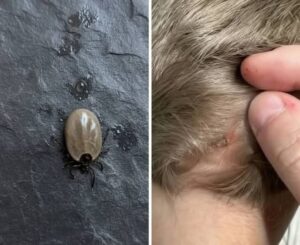
It often starts quietly.
Maybe you’re brushing your child’s hair after bath time. Maybe you’re braiding it before school. Maybe you’re sitting together on the couch, fingers absentmindedly running through soft strands while watching a movie.
And then you see it.
A tiny dark speck.
It moves.
Your breath catches. Your stomach drops. Your mind starts racing faster than your heart can keep up.
Is it a tick?
Is it lice?
Is it dangerous?
How long has it been there?
Did it spread?
Did I miss something?
Few parenting moments trigger such instant panic. The idea of a bug in your child’s hair feels deeply personal, invasive, and urgent. But here’s the most important truth to hold onto:
Most scalp bugs are manageable.
Most situations are not emergencies.
And most parents handle this far better than they think.
This guide will walk you calmly and clearly through what you might be seeing, how to respond safely, and how to move from fear to confidence.
Take a breath. Let’s begin.
Why Scalp Bugs Feel So Alarming
The human scalp is intimate territory. It’s close to the face, the brain, the identity of the person we love most. When something unfamiliar appears there, it feels bigger than it is.
Part of the panic is evolutionary. Humans are wired to react quickly to potential parasites or threats. That flash of alarm is your brain trying to protect your child.
But in modern life, most scalp discoveries fall into a few predictable categories. Understanding them transforms chaos into clarity.
Before you reach for strong chemicals or schedule an emergency appointment, the first step is simple:
Identify what you’re dealing with.
Section 1: The Usual Suspects — What Did You Actually See?
When a small insect appears in a child’s hair, three categories account for nearly all situations:
-
Head lice
-
Ticks
-
Accidental visitors
Each looks different. Each behaves differently. And each requires a different response.
Suspect A: Head Lice (Pediculosis)
Head lice are the most common scalp invaders in children.
What They Look Like
-
About the size of a sesame seed
-
Tan, pale gray, or slightly brown
-
Wingless
-
Fast crawlers
-
Designed to cling tightly to hair
They do not jump.
They do not fly.
They cannot survive long without a human host.
The Real Clue: Nits
The true giveaway is not always the bug itself — it’s the eggs.
Nits are:
-
Tiny
-
Oval or teardrop-shaped
-
Tightly glued to the hair shaft
-
Usually found behind the ears or near the nape of the neck
Unlike dandruff, nits do not brush off easily. They are firmly attached.
If you see multiple nits in the same region, you are likely dealing with lice.
The 2026 Reality About Lice
Over the years, some lice populations have developed resistance to certain over-the-counter chemical treatments. This has led many pediatric experts to return to a simpler, highly effective method:
Manual removal through systematic combing.
It may sound old-fashioned, but physical removal remains one of the safest and most reliable approaches.
Suspect B: The Tick
Ticks are different from lice in both appearance and risk profile.
What They Look Like
-
Flat and oval before feeding
-
Dark brown or black
-
Eight legs (though they can be hard to count)
-
If feeding, they may look swollen or grayish
Ticks do not crawl rapidly through hair the way lice do. They attach.
If the insect is embedded in the skin and not moving freely, a tick is possible.
Why Identification Matters
Ticks can carry illnesses, including:
-
Lyme disease
-
Other regional tick-borne infections
-
Alpha-gal syndrome (a rare allergic response linked to certain tick bites)
The majority of tick bites do not result in illness. However, proper removal reduces risk significantly.
Suspect C: The Accidental Visitor
Not every bug found in hair is a parasite.
Sometimes a child:
-
Rolled in grass
-
Played on carpet
-
Lay on a pillow
-
Explored the backyard
And a small beetle, ant, or other insect wandered briefly into their hair.
If you find:
-
One single insect
-
No attached eggs
-
No scalp irritation
-
No additional bugs
It may simply be an accidental visitor.
In these cases, removal and a quick rinse are usually enough.
Section 2: The Itching Myth — Why Some Children Don’t Scratch
One of the biggest misconceptions is that lice always cause immediate itching.
They don’t.
The itch does not come from crawling.
It comes from sensitivity to saliva introduced during feeding. That sensitivity takes time to develop — sometimes weeks.
Many children:
-
Have no itching at all
-
Show no signs
-
Continue normal behavior
This is why routine scalp checks matter more than waiting for scratching.
If your child says nothing feels wrong, it does not automatically rule out lice. But it also does not mean the situation is severe.
Section 3: What To Do Immediately
When you see a bug, your response should follow three steps:
-
Stay calm
-
Contain and identify
-
Act appropriately
Step One: Stay Calm
Children mirror adult reactions.
If you panic, they panic.
If you remain steady and neutral, they feel safe.
You can say something simple like:
“Let’s take a closer look at this.”
Avoid dramatic language. Avoid words like “infested” or “gross.”
This is a practical problem, not a moral one.
Step Two: Remove the Bug Safely
If it’s crawling freely:
-
Use tissue or tweezers
-
Place it in a sealed container or bag
-
Wash hands
If it’s attached (possible tick):
-
Use fine-tipped tweezers
-
Grasp as close to the skin as possible
-
Pull upward steadily
-
Avoid twisting
After removal, clean the area with soap and water.
Do not crush ticks with bare fingers.
Step Three: Examine the Scalp
Under bright light, check:
-
Behind ears
-
Nape of neck
-
Crown of head
Look for:
-
Additional insects
-
Eggs attached to hair
-
Redness or irritation
This examination gives you clarity before you take further steps.
Section 4: Treatment for Lice — Calm and Systematic
If lice are confirmed, there is no need to empty the pharmacy shelf.
The Wet Combing Method
This method is widely recommended because it avoids unnecessary chemical exposure.
You’ll need:
-
Thick conditioner
-
A high-quality metal nit comb
-
Bright lighting
-
Patience
The Process
-
Apply conditioner generously to damp hair.
-
Divide hair into small sections.
-
Comb slowly from scalp to ends.
-
Wipe comb on a white paper towel after each pass.
-
Repeat every 3–4 days for two weeks.
Consistency matters more than intensity.
What About Chemical Treatments?
Some families choose medicated shampoos. If you do:
-
Follow instructions exactly
-
Do not exceed recommended frequency
-
Avoid combining multiple treatments
Consult a pediatrician if unsure.
Section 5: Tick Aftercare
After removing a tick:
-
Save it in rubbing alcohol.
-
Note the date and location of the bite.
-
Monitor for symptoms over the next few weeks.
Watch for:
-
Expanding rash
-
Fever
-
Fatigue
-
Joint pain
If symptoms appear, contact a healthcare provider.
In many cases, no further action is required beyond monitoring.
Section 6: Cleaning the Home — How Much Is Enough?
This is where many parents overreact.
Lice cannot survive long away from a human scalp.
Reasonable steps include:
-
Washing pillowcases
-
Washing recently worn hats
-
Washing bedding on warm cycle
You do not need to:
-
Fumigate the house
-
Throw away furniture
-
Bag every stuffed animal for months
Moderation protects both your home and your sanity.
Section 7: The Social Stigma Trap
Few parenting topics carry more unnecessary shame than lice.
Let’s correct some myths.
Myth: Lice mean poor hygiene.
Truth: Lice prefer clean hair because it’s easier to grip.
Myth: Only certain families get lice.
Truth: Lice spread through close contact — playdates, sports, school.
Myth: It reflects bad parenting.
Truth: It reflects childhood social activity.
Shame helps no one. Education helps everyone.
Section 8: Talking to Your Child
Children often feel embarrassed.
You can say:
“This happens to lots of kids.”
“It’s not your fault.”
“We’ll take care of it together.”
Keep tone light.
Avoid framing it as something dirty or wrong.
Confidence from you builds resilience in them.
Section 9: Nana’s Calm Perspective
Many grandparents have seen this before.
Older generations often handled scalp surprises with:
-
Bright lights
-
Steady hands
-
Simple tools
There’s wisdom in that simplicity.
Routine, patience, and observation often solve what panic magnifies.
Section 10: Prevention Without Fear
Prevention does not require obsession.
Helpful habits include:
-
Regular scalp checks
-
Avoiding head-to-head contact during outbreaks
-
Tying back long hair during school
Some families use lightly scented shampoos or oils they believe discourage insects. While not guaranteed, consistent hygiene routines promote awareness.
The goal is vigilance, not anxiety.
Section 11: When To Call a Doctor
Seek medical advice if:
-
A tick bite shows signs of infection
-
Rash spreads
-
Fever develops
-
Lice persist despite consistent treatment
Most cases resolve without complications.
Section 12: The Emotional Reset
Finding a bug in your child’s hair feels like losing control for a moment.
But here’s what matters:
You noticed.
You responded.
You learned.
That’s effective parenting.
Every generation deals with its own version of small invasions — scraped knees, splinters, colds, and yes, scalp bugs.
They are part of childhood’s messy, adventurous reality.
Final Takeaway: From Panic to Preparedness
A tiny moving speck can feel enormous.
But once identified, most scalp invaders are:
-
Treatable
-
Temporary
-
Not reflections of your parenting
The key is calm identification, measured response, and clear communication.
You don’t need fear.
You need light, patience, and a good comb.
And perhaps a little perspective.
Because in the long story of raising a child, this is just one small chapter — and one you now know how to handle with steady hands.