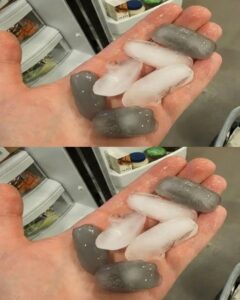
f you’ve ever noticed gray ice cubes coming from your fridge’s ice maker, you’re not alone. It’s one of those seemingly strange occurrences that can cause some worry, especially when you’re expecting crystal-clear, pristine ice. But before you panic, let’s take a deep dive into this issue and explore the common causes of gray ice cubes, as well as practical solutions to fix the problem. Gray ice cubes are not just unsightly, but they can also affect the taste of your drinks, and in some cases, they may even raise concerns about cleanliness and water quality. Let’s break it down and find out why this is happening and how to correct it.
The Mystery of Gray Ice Cubes: An Introduction
Many of us rely on our refrigerators’ ice makers to produce ice on demand, so it’s no surprise that noticing a batch of gray ice cubes can be alarming. The dull or discolored ice cubes often appear cloudy or muddy, which can make you second-guess their cleanliness and safety. But fear not—gray ice cubes are not always harmful to your health. While they might not be the most visually appealing, they are often a symptom of simple, solvable issues inside your fridge.
I’ve dealt with gray ice cubes myself, and I know that it can be a bit unnerving. In fact, I decided to dive into this issue to figure out why it happens and how to fix it so I could enjoy clean, clear ice once again. If you’ve experienced the same issue, this guide will walk you through the potential causes and the fixes so that you can say goodbye to gray ice cubes for good.
Cause #1: Dirt in the Ice Maker
One of the most common reasons for gray ice cubes is the buildup of dirt and debris inside your ice maker. Over time, dust, food particles, and other tiny impurities can accumulate in the ice-making mechanism. When the ice forms, these particles can get trapped inside, resulting in discolored or gray ice. The presence of dirt in the ice can also contribute to an unpleasant taste, which can make your drinks less refreshing. So, even though the ice may not be dangerous to your health, it’s definitely not something you want floating in your glass.
The Problem
Dirt buildup can lead to the formation of gray ice cubes, which may be unsightly and unappealing. While it’s not necessarily a health concern, the particles inside the ice can affect the flavor of the water or drinks you use them in. A clean ice maker is crucial for producing high-quality, clear ice.
The Solution
The solution to this problem is straightforward: clean your ice maker. Here’s how you can do it step by step:
-
Unplug the Refrigerator: For safety, start by unplugging your fridge to ensure you don’t accidentally cause any electrical issues while cleaning.
-
Remove the Ice Bin: Carefully take out the ice bin from the freezer, making sure to empty out any remaining ice cubes. You’ll want to clear out all the ice before cleaning.
-
Clean the Ice Bin: Using warm, soapy water, wash the ice bin thoroughly. Use a mild dish soap and a soft sponge or cloth to scrub away any dirt, grime, or residue. Pay attention to any corners or nooks where debris might be hiding.
-
Rinse Thoroughly: After cleaning the bin, rinse it with clean, warm water to remove any soap residue. Make sure the ice bin is completely free of soap before moving on.
-
Dry the Ice Bin: Allow the ice bin to air-dry completely before placing it back in the freezer. Make sure there is no moisture left, as it could affect the formation of new ice cubes.
-
Clean the Ice Maker: Once the ice bin is cleaned and dried, wipe down the inside of the ice maker with a clean cloth or sponge. You can use a damp cloth (but not soaking wet) to remove any debris that might have built up inside the ice maker mechanism. Once everything is clean, plug the fridge back in and let it start making fresh ice.
By following these steps, you should be able to prevent dirt and debris from accumulating in your ice maker and producing gray ice cubes. Regular cleaning will ensure that your ice remains clear and free of contaminants, improving the taste and appearance of your ice.
Cause #2: Charcoal Sediment from a New or Old Water Filter
Another common cause of gray ice cubes is the presence of charcoal sediment from your fridge’s water filter. Water filters are great for improving the taste and quality of the water, but sometimes, they can leave behind small amounts of charcoal sediment when they are either too new or need to be replaced. If you’ve recently replaced your fridge’s water filter, the charcoal residue from the filter could be seeping into the water supply that feeds the ice maker, resulting in grayish ice cubes.
Alternatively, if you’ve been using the same water filter for a while without replacing it, it may have become clogged, allowing particles of charcoal to escape into the ice. This can give your ice a gray tint and even affect its taste, leaving it with a slightly metallic or unpleasant flavor.
The Problem
Charcoal sediment can cause your ice to have a grayish hue, and it can also alter the taste of your drinks. Over time, as filters accumulate debris, they become less effective at purifying the water, which leads to gray, discolored ice.
The Solution
To fix the issue of gray ice caused by charcoal sediment, start by replacing the water filter in your fridge. Most fridge models have a built-in water filtration system that needs to be replaced periodically. Here’s how to tackle this problem:
-
Check the Filter: Consult your fridge’s user manual to find the location of the water filter and determine how often it should be replaced. If it’s been a while since the last replacement, it’s likely time to swap out the old filter for a new one.
-
Replace the Filter: Remove the old water filter according to the manufacturer’s instructions and replace it with a new one. Ensure that the new filter is properly installed, and follow any specific instructions provided by the manufacturer for your fridge model.
-
Flush the System: After installing the new filter, you may need to flush the water system to remove any remaining charcoal sediment. This is done by running several gallons of water through the water dispenser (if your fridge has one) or by using the ice maker to make a few batches of ice that you can discard.
-
Clean the Ice Bin: Once you’ve flushed the system, empty and clean the ice bin as mentioned earlier to ensure any remaining gray ice is removed. This step is crucial to prevent the sediment from contaminating new batches of ice.
By replacing the water filter and flushing the system, you should be able to remove any lingering charcoal sediment, preventing the formation of gray ice cubes. It’s also a good idea to replace your water filter regularly (usually every 6 months) to ensure that your fridge’s water filtration system continues to perform at its best.
How to Clean a Dirty Ice Bin
If you’ve discovered gray ice cubes, it’s important to clean the ice bin thoroughly. Here’s a simple step-by-step guide to ensure your ice bin stays clean and your ice remains clear:
-
Remove the Ice Bin: Take the ice bin out of the freezer and empty out any remaining ice.
-
Wash the Ice Bin: Use warm, soapy water and a mild dish soap to clean the ice bin. Scrub away any dirt, grime, or residue with a soft sponge or cloth.
-
Rinse Thoroughly: Rinse the ice bin well with clean, warm water to ensure that no soap residue remains.
-
Allow to Air Dry: Let the ice bin air dry completely. Make sure there’s no moisture left before placing it back in the freezer.
-
Wipe Down the Ice Maker: Wipe down the inside of the freezer and the ice maker mechanism to remove any debris that might have accumulated.
By following these simple steps, you can ensure that your ice maker stays clean and that your ice cubes will be fresh and clear, without any unwanted gray tint.
Final Thoughts: Gray Ice Cubes Are Easily Fixable
Gray ice cubes are a common issue, but as we’ve seen, they are relatively easy to fix. Whether the problem lies with dirt in the ice maker or charcoal sediment from an old or new water filter, the solution is usually a matter of cleaning and replacing parts as necessary. By following the steps outlined above, you can ensure that your ice is clear, fresh, and free from any unpleasant tastes or discoloration.
Next time you find gray ice cubes in your fridge, don’t panic—just clean the ice bin, check your water filter, and flush the system if necessary. With a little bit of maintenance, you’ll be enjoying pristine, clear ice once again in no time!
So, the next time you’re reaching for ice cubes, remember that a little cleaning and care can go a long way in improving the quality of your ice—and your drinks.