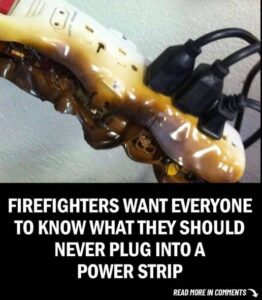
In today’s technology-filled households, power strips have become almost as common as light switches. From home offices and entertainment centers to bedrooms and kitchens, it’s rare to find a space that doesn’t rely on at least one power strip to handle the growing number of electronic devices we use every day.
They’re convenient. They’re affordable. They help expand limited wall outlets into multiple connection points. But while power strips are incredibly useful, they are not designed to handle every type of device.
Misusing a power strip can create serious electrical hazards, including overheating, equipment damage, and in some cases, fire risks. Many people assume that if a plug fits, it’s safe to use. Unfortunately, that’s not always true.
Understanding what should — and should not — be plugged into a power strip is one of the simplest ways to protect your home, your appliances, and your family.
In this comprehensive guide, we’ll break down:
-
How power strips actually work
-
Why overloading them is dangerous
-
The types of devices that should never be connected to one
-
Safe alternatives and best practices
-
How to choose the right power strip
-
Warning signs of electrical overload
-
Smart home electrical safety habits
Let’s start with the basics.
How Power Strips Work (And Their Limits)
A power strip is essentially an extension of a single wall outlet. It does not increase the total amount of electricity available — it simply distributes the same electrical capacity across multiple sockets.
Most residential wall outlets in the United States operate on a 15-amp or 20-amp circuit. That means there’s a limit to how much electrical load that circuit can safely handle at one time.
Power strips are typically designed for:
-
Chargers (phones, tablets, laptops)
-
Lamps
-
Televisions
-
Modems and routers
-
Desktop computers
-
Small office electronics
They are not designed for heavy-duty appliances or high-wattage equipment.
When too much power is drawn through a single strip, it can:
-
Overheat internally
-
Melt insulation
-
Trip breakers
-
Damage connected devices
-
Increase fire risk
The key issue is load capacity.
Let’s explore the types of devices that exceed safe limits.
1. Major Household Appliances
Large appliances require a significant and consistent flow of electricity. These include:
-
Refrigerators
-
Freezers
-
Washing machines
-
Dryers
-
Dishwashers
These devices are engineered to operate on dedicated circuits. That means they are intended to be plugged directly into a wall outlet — often one that is specifically wired for that appliance alone.
Why?
Because major appliances:
-
Draw high amperage
-
Cycle on and off frequently
-
Require stable voltage
-
Can cause sudden electrical spikes
Plugging them into a power strip can overload the strip and the circuit. Even if it seems to “work” at first, the internal wiring of the strip is not designed to handle that continuous heavy load.
Over time, this can lead to overheating or electrical failure.
Safe Practice: Always plug large appliances directly into a properly rated wall outlet.
2. Space Heaters
Space heaters are one of the most common causes of electrical fires during colder months — especially when misused.
They generate heat by drawing a large amount of power, often 1,200 to 1,500 watts or more.
Power strips are rarely rated to handle that sustained load.
When a space heater is plugged into a strip:
-
The strip may overheat
-
Internal components can melt
-
The risk of fire increases
-
Circuit breakers may trip
Even heavy-duty surge protectors are not designed for space heaters.
Safe Practice: Plug space heaters directly into a wall outlet — never into an extension cord or power strip.
3. High-Wattage Kitchen Appliances
Kitchen appliances often consume more electricity than people realize.
Examples include:
-
Microwaves
-
Toaster ovens
-
Air fryers
-
Coffee makers
-
Electric kettles
-
Blenders
These devices use heating elements or powerful motors. That means high wattage and short bursts of heavy electrical demand.
Plugging them into a power strip can result in:
-
Voltage drops
-
Overloaded circuits
-
Reduced appliance lifespan
-
Electrical hazards
Kitchen circuits are often specially rated to handle higher loads — but only when appliances are plugged directly into the outlet.
Safe Practice: Use wall outlets for cooking appliances.
4. Daisy-Chaining Power Strips
Daisy-chaining occurs when one power strip is plugged into another to increase the number of outlets.
This is extremely unsafe.
Each additional strip adds:
-
Electrical resistance
-
Heat buildup
-
Potential failure points
The more devices you add, the greater the load on a single wall outlet.
This practice significantly increases fire risk and is prohibited in many commercial and workplace safety regulations.
Safe Practice: Use a single high-quality power strip with sufficient outlets. If more outlets are needed, consult an electrician.
5. Air Conditioners
Air conditioners are among the highest power-drawing appliances in a home.
They:
-
Require high startup current
-
Run for extended periods
-
Produce electrical surges when cycling
Using a power strip for an air conditioner can:
-
Cause overheating
-
Trip breakers
-
Damage the AC unit
-
Increase fire risk
These units should always be connected directly to a properly rated wall outlet.
6. Laser Printers and Photocopiers
Unlike inkjet printers, laser printers use heating elements to fuse toner to paper. This process requires a large surge of power during operation.
Plugging a laser printer into a standard power strip can:
-
Cause voltage fluctuations
-
Trip circuit breakers
-
Damage the printer
-
Shorten device lifespan
Safe Practice: Connect laser printers and large office machines directly to a wall outlet.
7. Aquariums with Heating Systems
Aquariums often include:
-
Water heaters
-
Filtration systems
-
Lighting
-
Pumps
Combined, these components can draw more power than expected.
Water and electricity together demand extra caution. Overloaded strips increase the risk of malfunction or electrical hazards.
Safe Practice: Use a dedicated outlet with proper safety precautions for aquarium setups.
8. Electric Grills and Indoor Cookers
Appliances that generate heat — such as electric grills and cooktops — draw high wattage similar to space heaters.
Using a power strip for these devices can lead to overheating and potential fire hazards.
Always plug heating appliances directly into a wall outlet.
9. Medical Equipment
Medical devices such as:
-
CPAP machines
-
Oxygen concentrators
-
Nebulizers
Require a stable, uninterrupted power source.
Power strips can introduce risk of:
-
Accidental shutoff
-
Loose connections
-
Electrical instability
For devices critical to health, always use a wall outlet and follow manufacturer instructions carefully.
Warning Signs Your Power Strip Is Overloaded
Watch for:
-
Warm or hot plastic casing
-
Burning smell
-
Flickering devices
-
Frequent breaker trips
-
Melted insulation
If any of these occur, unplug devices immediately and reassess your setup.
How to Choose a Safer Power Strip
If you use power strips for appropriate devices:
-
Choose UL-listed products
-
Look for surge protection
-
Check amp rating
-
Avoid thin or damaged cords
-
Replace old strips
Never place power strips under rugs or furniture where heat can build up.
Smart Electrical Safety Habits for Every Home
-
Spread high-wattage devices across different circuits
-
Avoid overloading single outlets
-
Schedule regular electrical inspections
-
Upgrade old wiring when necessary
-
Teach children outlet safety
Final Thoughts: Convenience Should Never Compromise Safety
Power strips are helpful tools — but only when used properly.
They are designed for low-power electronics, not heavy appliances. Understanding their limitations protects your home from unnecessary risk.
A good rule of thumb:
If it heats, cools, or contains a motor — plug it into the wall.
Electrical safety doesn’t require complex knowledge — just awareness and responsible habits.
Taking a few minutes to evaluate what’s plugged into your power strips today could prevent costly damage — or something far worse — tomorrow.
Stay safe, stay informed, and always prioritize proper electrical practices in your home.