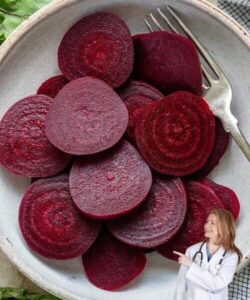
Beets earn their superfood status not for trendiness, but for their chemistry. Rich in natural nitrates, the body converts them into nitric oxide, which relaxes and widens blood vessels. This improves circulation, reduces strain on the heart, and delivers oxygen efficiently to muscles and organs. Athletes may see better endurance, older adults sharper focus, and anyone could experience more energy and less sluggishness.
Beets also provide fiber, essential for digestion and metabolic health. Fiber nourishes gut bacteria, helping regulate inflammation, immunity, and even mood. It also slows sugar absorption, reducing post-meal spikes. This makes beets helpful for energy balance and insulin sensitivity, while their earthy sweetness delivers nutrients quietly but effectively.
Their pigments, called betalains, combat chronic inflammation, a contributor to many long-term diseases. Betalains also support liver function, assisting in toxin filtering and fat processing. Rather than forcing dramatic changes, beets work gently to support the body’s natural systems, often leaving a feeling of lightness and clarity.
Beets are also packed with vitamins and minerals. Folate supports cell repair and healthy blood, potassium regulates fluid balance and nerves, manganese aids bone strength and metabolism, and iron helps with oxygen transport. These nutrients work together to maintain daily vitality in subtle but meaningful ways.
However, beets are helpers, not cures. They don’t erase body fat or instantly transform skin. Beet juice can raise blood sugar without fiber. Red or pink urine is a harmless side effect. People prone to kidney stones should monitor oxalate intake, and those on blood pressure medication should avoid excessive beet juice due to additive effects.
The true power of beets comes from regular inclusion in balanced meals. Roasted, grated in salads, blended into soups, or paired with grains and greens, beets integrate easily into everyday cooking.
Their benefits build gradually through consistent habits, not sudden extremes.
In this steady rhythm, beets reflect the essence of good nutrition: small, repeated choices that support long-term health. Humble but powerful, they quietly earn their superfood reputation.