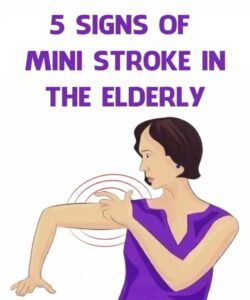
A mini-stroke can feel like a strange moment that passes too quickly to take seriously—one minute everything is normal, and the next you feel off, confused, weak, or unsteady… and then it’s gone. That’s exactly what makes it so dangerous. Known medically as a transient ischemic attack (TIA), a mini-stroke happens when blood flow to part of the brain is briefly reduced or blocked. In older adults, it’s often linked to narrowed arteries or a small clot that interrupts circulation for a short time. Because the symptoms can fade within minutes, many people brush it off as fatigue, stress, or “just getting older.” But a TIA is never harmless—it’s a major warning sign that a more serious stroke could be next.
The symptoms of a mini-stroke usually appear suddenly, and they can range from obvious to surprisingly subtle. Some people experience weakness or numbness on one side of the body, such as a drooping face or trouble lifting an arm or leg. Speech may change quickly too, with slurred words, trouble finding the right words, or difficulty understanding what others are saying. Vision problems can happen as well, including blurriness or a shadow-like change in one eye. Others may notice sudden dizziness, poor balance, or an intense headache that doesn’t match what they normally feel. Even if these signs disappear quickly, they should always be treated as urgent because the brain may still be at risk.
Certain factors can make a mini-stroke more likely, especially in seniors. High blood pressure, diabetes, and high cholesterol can damage blood vessels over time and increase the chance of clots or blockages. Smoking, low physical activity, and unhealthy eating habits can also affect circulation and heart health, raising risk even more. A mini-stroke is often described as the body’s early alarm system, because many people who experience one go on to have a full stroke within days or weeks if the cause isn’t treated. That’s why immediate medical evaluation matters—even if the person feels completely normal afterward.
Doctors can run tests such as brain imaging, blood work, and heart monitoring to identify what caused the episode and how to prevent it from happening again. Treatment often includes medication to reduce clot risk and help control blood pressure or cholesterol. Long-term prevention usually involves healthier routines like quitting smoking, staying active, reducing stress, and choosing a balanced diet that supports heart and brain function. The most important message is simple: any sudden neurological symptom should never be ignored. Acting fast after a mini-stroke can protect independence, reduce the risk of a major stroke, and potentially save a life.