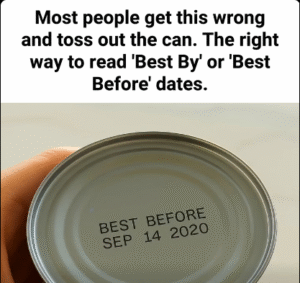
Many kitchens have a forgotten can of beans, soup, or vegetables tucked away in the pantry. Often, when the expiration date passes, people assume it is unsafe and throw it out immediately.
The truth is that most dates on canned foods indicate quality, not safety. Understanding this can help you reduce waste and save money.
“Best By” or “Best Before” Dates
These dates are meant to show when the product will taste its best. They are not necessarily a strict indicator of safety.
“Use By” Dates
More commonly found on perishable items like dairy or meat, these dates also mostly indicate quality rather than an immediate health risk.
Storage Conditions Matter
Proper storage is crucial. Canned food stored in a cool, dry place away from sunlight can remain safe long after the printed date.
High-Acid vs Low-Acid Foods
High-acid foods, such as tomatoes and citrus, are best eaten within 12–18 months for optimal flavor. Low-acid foods, like beans, corn, and canned meats, can last three to five years or longer.
USDA Guidelines
The United States Department of Agriculture confirms that if a can is intact and undamaged, it can remain safe for extended periods. Taste and texture may decline over time, but safety is usually not compromised.
Inspecting Canned Food
Before using canned food, always check for warning signs.

Bulging Lids
A bulging lid is a clear indicator of spoilage. If a can is swollen, it should be discarded immediately.
Leaks and Rust
Any leakage or rust can compromise the seal and make the food unsafe. Avoid using cans with these issues.
Dents and Damage
Deep dents, especially along the seams, may allow bacteria to enter. Shallow dents are less concerning but still should be monitored.
Unusual Smells
If a can smells off or unusual when opened, do not taste it. Trust your senses.
Discoloration
Changes in color or texture of the food inside can also indicate spoilage.
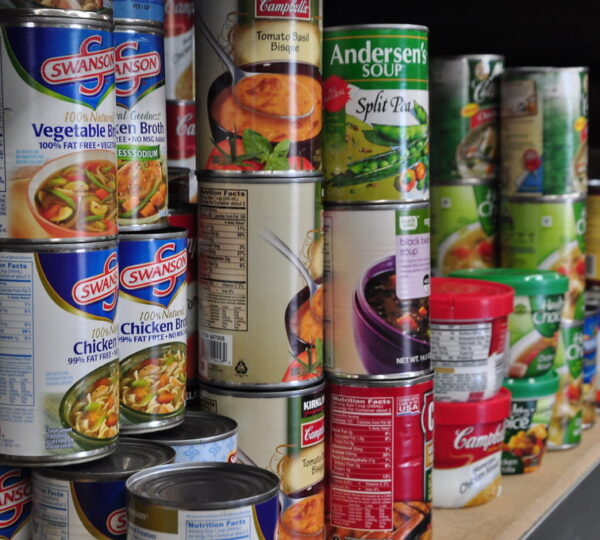
Reducing Waste
Understanding canned food labels helps reduce unnecessary waste. Many people throw away food that is actually safe to eat.
Safe Consumption Tips
When in doubt, transfer canned food to a glass or ceramic container and refrigerate after opening. Consume within a few days for safety.
Emergency Preparedness
Expired canned food is often safe enough for emergency kits. Rotate stocks periodically but don’t discard unnecessarily.
Cooking Tips
Even slightly past-date canned food can be cooked in soups, stews, or sauces without risk, provided there are no signs of spoilage.
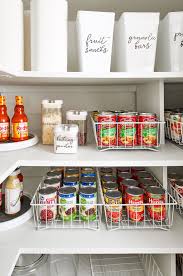
Pantry Rotation
Practice FIFO (First In, First Out) to use older cans first and reduce waste.
Buying Tips
Check the pantry before buying more canned goods. You may already have perfectly safe cans that are past the “best by” date.
Temperature Considerations
Avoid storing cans in garages or places with extreme temperatures, as heat can degrade the food faster.
Using Labels Wisely
Always read the label for both expiration and storage instructions. Manufacturers often provide tips to maximize quality.
Trust Your Senses
Sight, smell, and touch are your best tools. If food looks or smells strange, throw it out.
Acidic Foods Spoilage Signs
Tomatoes, fruit, and pickled foods spoil faster. Check carefully before consumption.
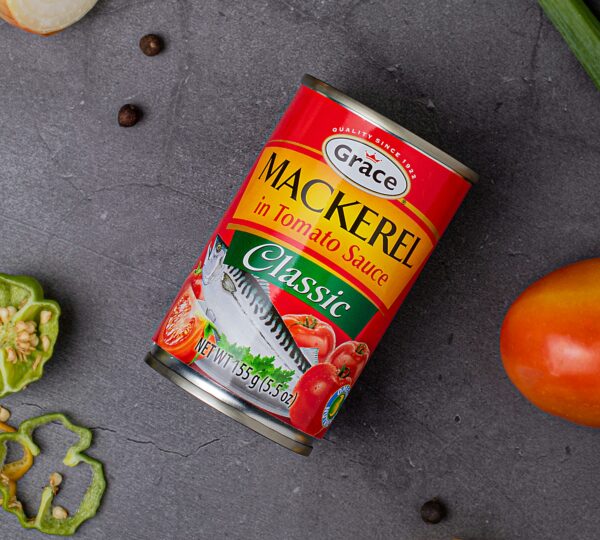
Non-Acidic Foods Longevity
Beans, corn, and meats are durable, but still check for bulging, leaks, or rust.
When in Doubt, Throw it Out
If you are unsure about a can’s safety, it’s better to discard it than risk foodborne illness.
Conclusion
Most canned foods are safe to eat past their “best by” date if stored properly. Inspect cans carefully, use your senses, and reduce unnecessary food waste.
Many kitchens have a forgotten can of beans, soup, or vegetables tucked away in the pantry. Often, when the expiration date passes, people assume it is unsafe and throw it out immediately.
The truth is that most dates on canned foods indicate quality, not safety. Understanding this can help you reduce waste and save money.
“Best By” or “Best Before” Dates
These dates are meant to show when the product will taste its best. They are not necessarily a strict indicator of safety.
“Use By” Dates
More commonly found on perishable items like dairy or meat, these dates also mostly indicate quality rather than an immediate health risk.
Storage Conditions Matter
Proper storage is crucial. Canned food stored in a cool, dry place away from sunlight can remain safe long after the printed date.
High-Acid vs Low-Acid Foods
High-acid foods, such as tomatoes and citrus, are best eaten within 12–18 months for optimal flavor. Low-acid foods, like beans, corn, and canned meats, can last three to five years or longer.
USDA Guidelines
The United States Department of Agriculture confirms that if a can is intact and undamaged, it can remain safe for extended periods. Taste and texture may decline over time, but safety is usually not compromised.
Inspecting Canned Food
Before using canned food, always check for warning signs.
Bulging Lids
A bulging lid is a clear indicator of spoilage. If a can is swollen, it should be discarded immediately.
Leaks and Rust
Any leakage or rust can compromise the seal and make the food unsafe. Avoid using cans with these issues.
Dents and Damage
Deep dents, especially along the seams, may allow bacteria to enter. Shallow dents are less concerning but still should be monitored.
Unusual Smells
If a can smells off or unusual when opened, do not taste it. Trust your senses.
Discoloration
Changes in color or texture of the food inside can also indicate spoilage.
Reducing Waste
Understanding canned food labels helps reduce unnecessary waste. Many people throw away food that is actually safe to eat.
Safe Consumption Tips
When in doubt, transfer canned food to a glass or ceramic container and refrigerate after opening. Consume within a few days for safety.
Emergency Preparedness
Expired canned food is often safe enough for emergency kits. Rotate stocks periodically but don’t discard unnecessarily.
Cooking Tips
Even slightly past-date canned food can be cooked in soups, stews, or sauces without risk, provided there are no signs of spoilage.
Pantry Rotation
Practice FIFO (First In, First Out) to use older cans first and reduce waste.
Buying Tips
Check the pantry before buying more canned goods. You may already have perfectly safe cans that are past the “best by” date.
Temperature Considerations
Avoid storing cans in garages or places with extreme temperatures, as heat can degrade the food faster.
Using Labels Wisely
Always read the label for both expiration and storage instructions. Manufacturers often provide tips to maximize quality.
Trust Your Senses
Sight, smell, and touch are your best tools. If food looks or smells strange, throw it out.
Acidic Foods Spoilage Signs
Tomatoes, fruit, and pickled foods spoil faster. Check carefully before consumption.
Non-Acidic Foods Longevity
Beans, corn, and meats are durable, but still check for bulging, leaks, or rust.
When in Doubt, Throw it Out
If you are unsure about a can’s safety, it’s better to discard it than risk foodborne illness.
Conclusion
Most canned foods are safe to eat past their “best by” date if stored properly. Inspect cans carefully, use your senses, and reduce unnecessary food waste.