Rice Flour Teeth Whitening: What You Need to Know
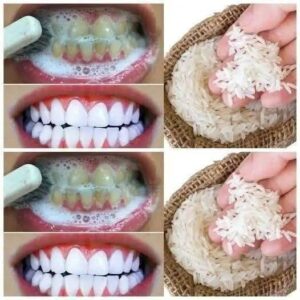
A viral DIY hack claims you can whiten your teeth in just 60 seconds using simple kitchen ingredients: rice flour, lemon juice, olive oil, and toothpaste. The method involves grinding 1 tsp of raw rice into a fine powder, mixing it with a few drops of lemon juice, a drop of olive oil, and a pea-sized amount of toothpaste, brushing for one minute, then rinsing. The promised result: instant brighter, smoother teeth.
 The Science Behind It
Rice flour acts as a mild abrasive that can help remove surface stains, similar to baking soda. Lemon juice contains citric acid, which may dissolve stains but can also erode enamel over time, increasing sensitivity and yellowing teeth. Olive oil may reduce bacteria slightly, but it won’t protect enamel from acid damage. Toothpaste adds fluoride, which strengthens teeth and helps prevent cavities.
 Short-Term vs. Long-Term Effects
You might see a temporary brightness from physical scrubbing or acid-induced dehydration. However, repeated use of lemon juice with abrasives can permanently damage enamel, leading to more serious dental issues. Enamel, once lost, does not regenerate.
 Safer Natural Alternatives
- Oil Pulling: Swish 1 tbsp coconut oil for 10–15 minutes daily to reduce bacteria and gently brighten.
- Baking Soda Paste: Use 1 tsp baking soda + water once or twice a week to lift surface stains safely.
- Whitening Toothpaste: ADA-approved options with hydrogen or carbamide peroxide are safe for daily use.
- Crunchy Vegetables: Apples, carrots, and celery naturally clean teeth and stimulate saliva.
- Limit Stains: Rinse after coffee, tea, wine, or smoking.
 When to Avoid
Skip this DIY if you have sensitive teeth, receding gums, enamel erosion, cavities, or dental work. Lemon juice won’t whiten crowns or fillings and can damage bonding.
 Final Thought
Healthy teeth are more important than extreme whitening. With a soft brush, fluoride toothpaste, and consistent care, you can protect enamel while achieving a bright smile—confidence that lasts a lifetime.