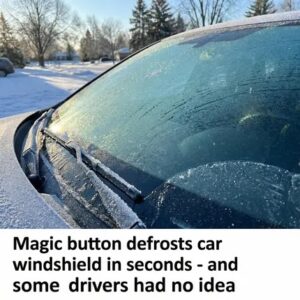
Winter mornings have a way of challenging even the most organized routines. Cold air, icy windshields, and the ticking clock can turn a quick drive into a stressful start before the day truly begins. Many drivers instinctively reach for scrapers or rely on hurried methods to clear frost, often without realizing their vehicle already includes a feature designed to handle these exact conditions. Understanding and using this built-in function can make winter mornings noticeably smoother and safer.
Most modern cars are equipped with a windshield defrost setting that works more efficiently than many people expect. When activated, it directs warm air toward the windshield while also turning on the air-conditioning system. This combination is intentional and effective. Warm air helps loosen ice and frost, while the air-conditioning removes excess moisture from the cabin. The result is faster clearing and reduced fogging, improving visibility both immediately and as you begin driving. Rather than fighting the elements, the defrost system works in harmony with the vehicle’s design.
Using the defrost function is simple and requires little effort. Start the engine, select a warm temperature, and press the windshield defrost button—usually marked with a curved glass icon. Within a short time, the windshield begins to clear from the inside, restoring a safe view without the need for scraping or risky shortcuts. This method protects the glass and saves time, especially on particularly cold mornings when frost is stubborn and visibility is limited.
Relying on the defrost system is also a smarter choice for vehicle care. Pouring hot water on frozen glass can cause sudden temperature changes that lead to cracks, while aggressive scraping can leave scratches that weaken the windshield over time. For cars without a dedicated defrost feature, preparation becomes essential. Windshield covers, de-icing sprays, and keeping interior humidity low can all reduce frost buildup. Simple habits like cleaning windows regularly and avoiding excess moisture inside the car can also help prevent fogging. With a little awareness and the right approach, winter driving can begin calmly and safely, setting a better tone for the rest of the day.